Bridge Builders between Disruption and Hope
Eight out of ten people worldwide identify with a religion. While institutionalised religion is declining in Europe, it is growing in Africa and Asia – precisely where international development cooperation is most needed.
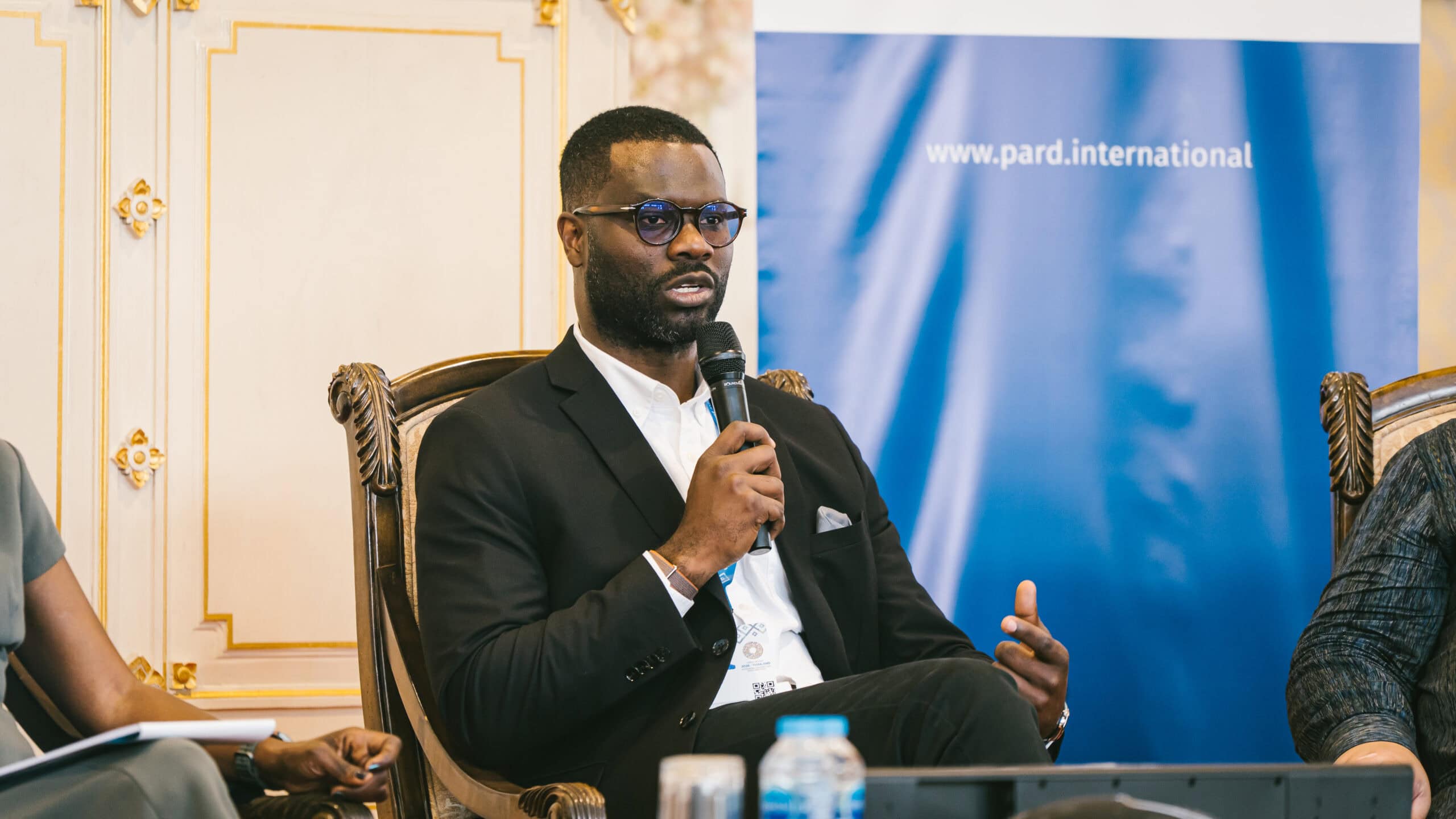
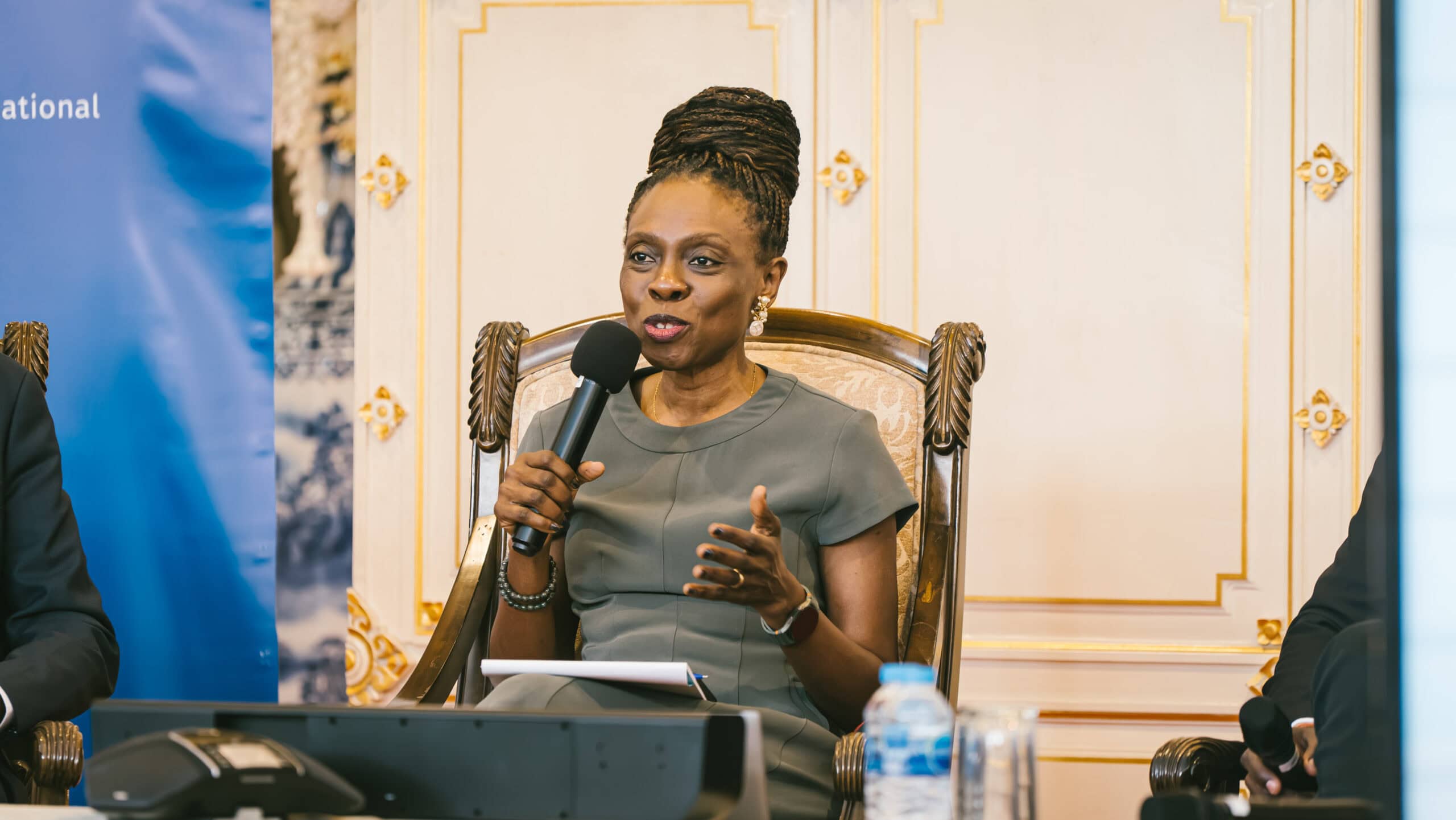
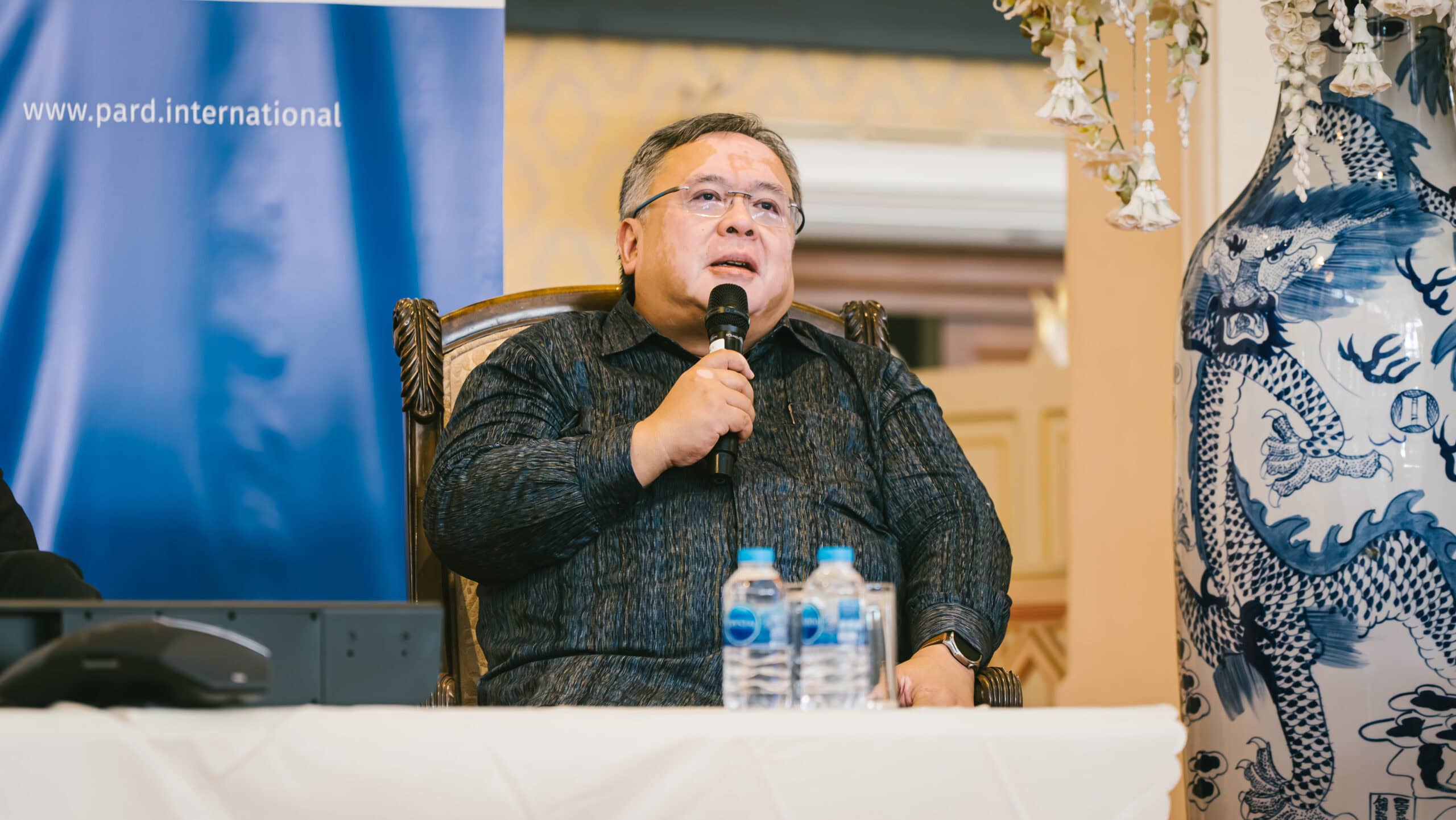
The event “Religion Matters! Bridge Builders between Disruption and Hope”, held at the Berlin Representation of the Deutsche Gesellschaft für Internationale Zusammenarbeit (GIZ GmBH), brought together around 100 participants in person and a further 200 online on 24 February 2026. Representatives from politics, multilateral organisations, academia, embassies, religious and other civil society actors, and developmental experts discussed how religious actors contribute to addressing global challenges and how their potential can be better leveraged in the future.
Religion does not only shape individual beliefs. Religious actors are often key pillars of civil society. They provide pastoral care, run healthcare facilities, nurseries and schools, mediate in conflicts, advocate for human rights, and deliver extensive humanitarian assistance. They often reach people where state institutions and international organisations encounter their limits.
At the same time, these contributions still receive limited attention in societal and development policy debates. Public attention often arises when religion is misused for violent, political, or economic purposes. The event deliberately focused on the constructive contributions of religious actors in a time of increasing geopolitical tensions, strained multilateral structures, and shrinking civic space. Around 80 per cent of the world’s population lives in countries with restrictions on freedom of religion, and more than 70 per cent in contexts with severely limited civic space.
Thomas Rachel, Member of the German Bundestag and Federal Government Commissioner for Freedom of Religion or Belief, emphasised that religion plays a central role worldwide and can serve as a bridge for peace, human rights, and sustainable development. At the same time, he underlined the responsibility of major religious communities to actively advocate for the rights of religious minorities and to place the dignity of every individual at the centre.
Professor Kamaruddin Amin, Secretary-General at Indonesia’s Ministry of Religious Affairs, illustrated through the example of Indonesia how religious diversity can be shaped constructively. In a country with the world’s largest Muslim population, religion contributes to social cohesion, poverty reduction, and addressing climate challenges. The key, he noted, is to recognise religious diversity as a resource and to actively shape it politically and socially.
Thorsten Schäfer-Gümbel, Chair of the Management Board of GIZ, stressed that democracies and development cooperation are increasingly under pressure, making strong partnerships, including with religious actors, ever more important. GIZ operates as a secular but not a laicist organisation. It does not engage in missionary work, but consciously adopts a religion-sensitive approach. In many contexts, the protection of natural resources is understood as the preservation of creation; recognising and constructively engaging with such religious references is therefore not an optional add-on, but a professional necessity. This remains grounded in a clear human rights-based approach, particularly with regard to freedom of expression and freedom of religion or belief.
Maria Lucia Uribe, Director of Arigatou International, highlighted religious actors as core social infrastructure. In many regions, they support families in times of crisis, document human rights violations, and strengthen social cohesion. At the same time, she stressed the need for the consistent application of human rights, particularly to protect children and vulnerable groups. In the context of the climate crisis and ongoing conflicts, she emphasised that alongside technical solutions, fundamental ethical questions of responsibility, lifestyles, and global justice must be addressed more strongly.
Dr. Esben Lunde Larsen, working with the Pandemic Fund at the World Bank, positioned religious actors firmly within the global health architecture. With a portfolio of over USD 11.5 billion across more than 120 countries, the Fund supports pandemic preparedness through a One Health approach. Religious organisations play a central role – as trusted voices within communities, as partners in training health personnel, and as operational actors in implementation. For future health systems, they are not merely complementary, but integral partners.
The discussion made clear that cooperation with religious actors is not an optional add-on, but a central prerequisite for effective international cooperation. In a changing world where traditional multilateral approaches are reaching their limits, inclusive partnerships such as the International Partnership on Religion and Sustainable Development (PaRD) are gaining importance, as they enable long-term alliances on an equal footing.
I an increasingly polarised environment, the event – moderated by Khushwant Singh, Head of the PaRD Secretariat – offered a deliberate counterpoint. The atmosphere was characterised by openness, mutual respect, and attentive listening. Representatives of different religions were present and contributed their perspectives. This commitment was also reflected in the programme: an iftar for Muslim participants, musical accompaniment by the Jewish cantor Daniel Kempin, and a healthy and vegetarian catering prepared by a team of women with an Arab background underscored the inclusive character of the event.
Credits: GIZ, PaRD / Maurice Weiss