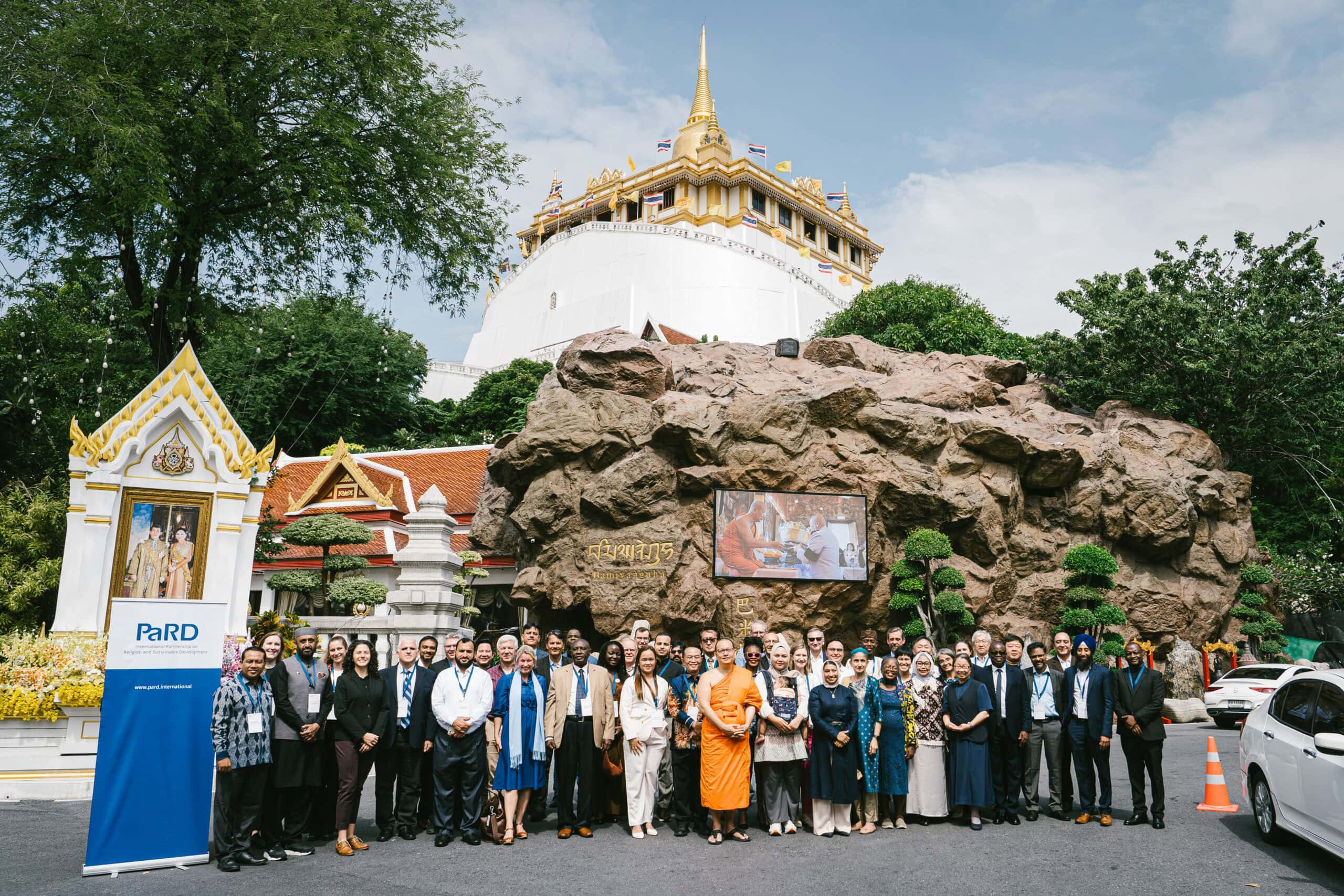
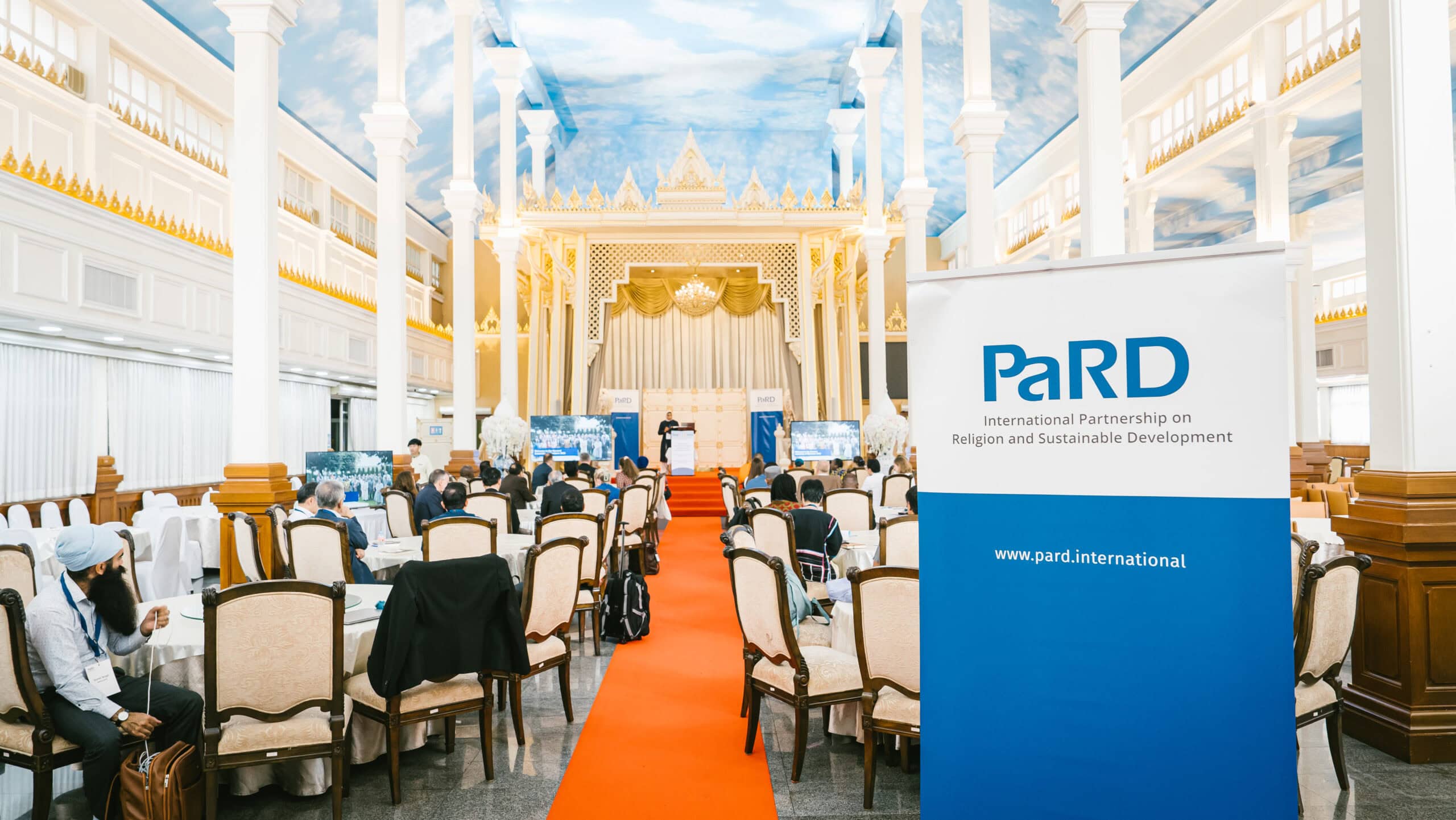
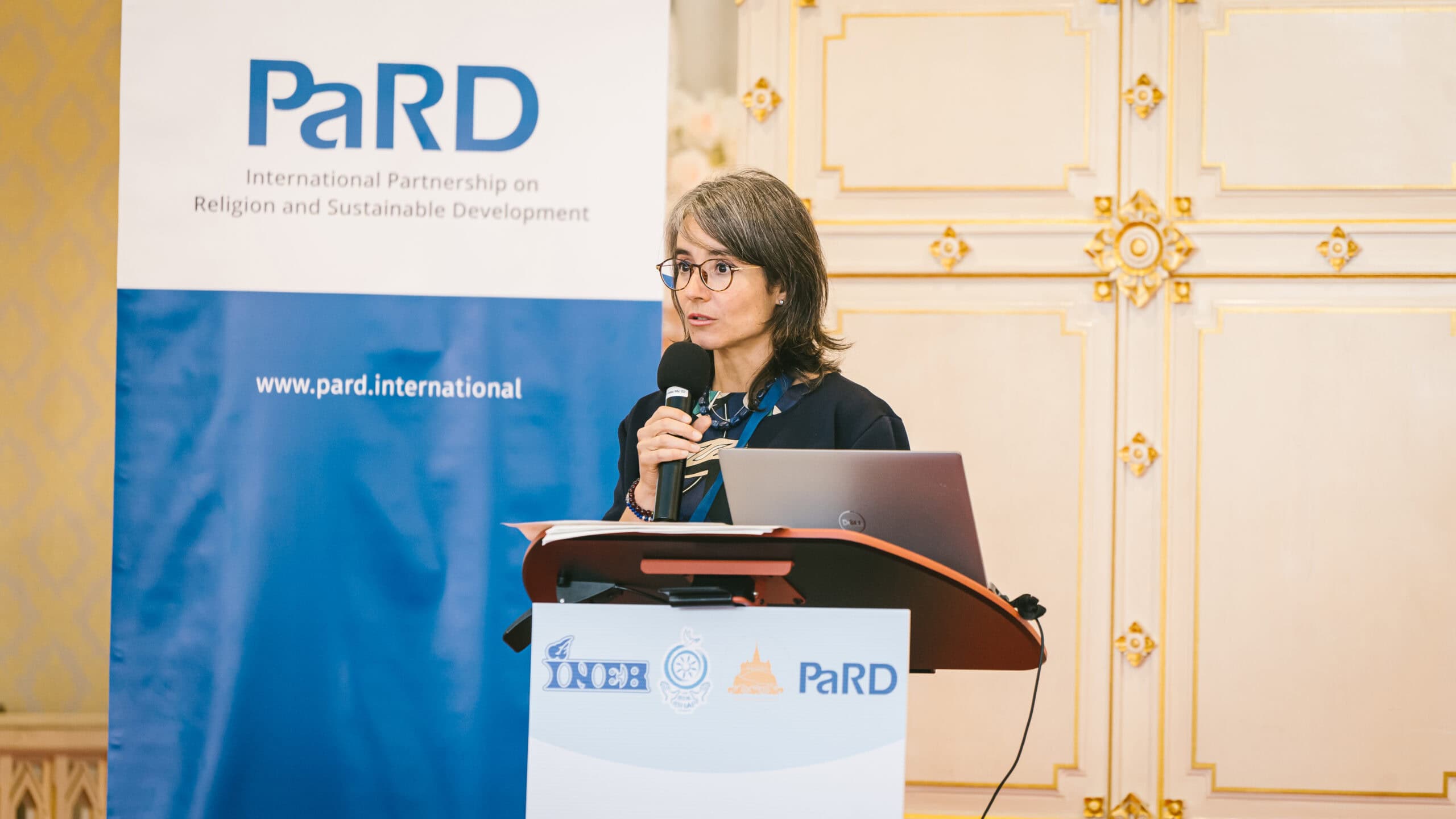
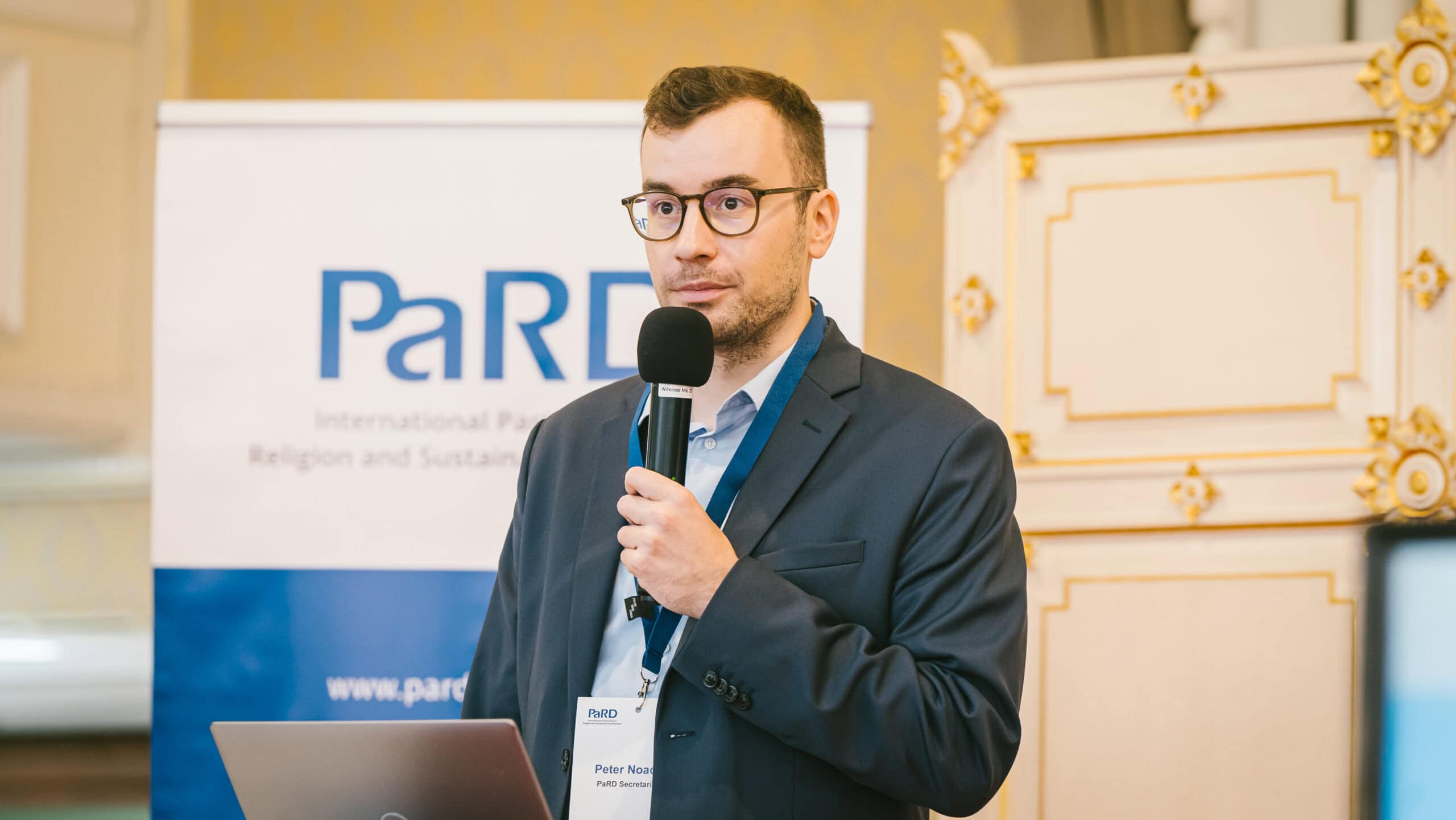
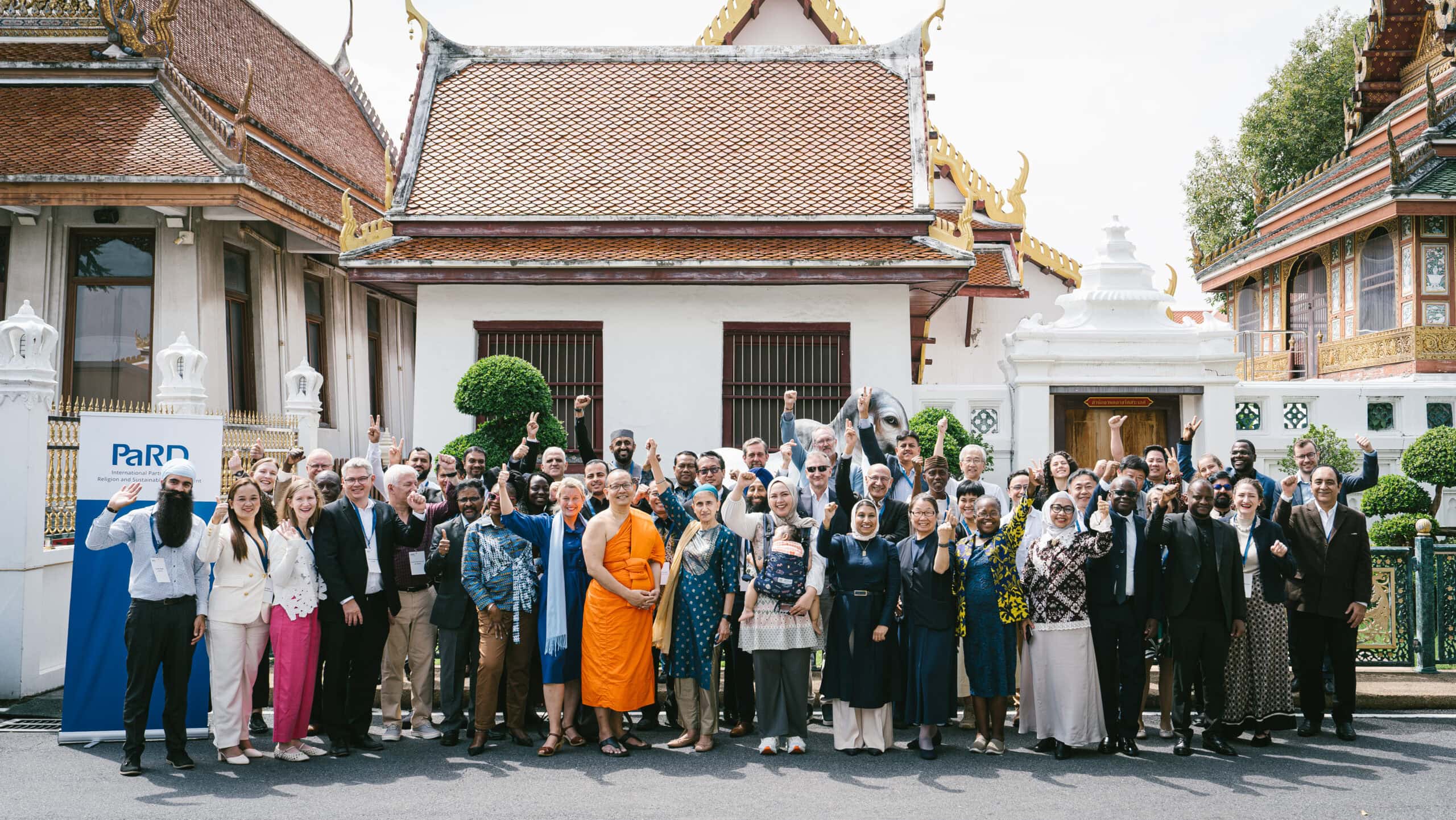


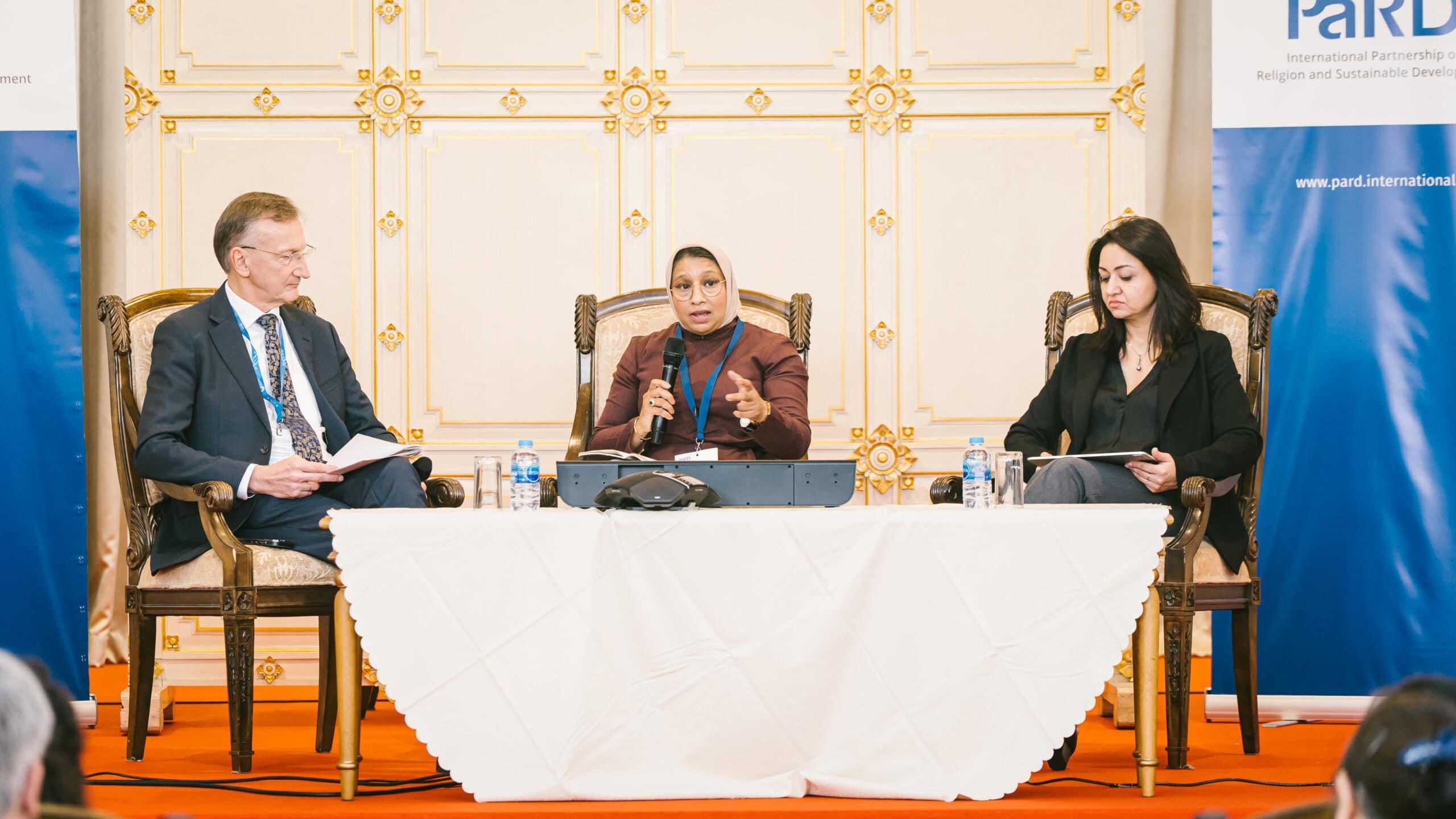
At the General Assembly of Members from 10–11 October 2026 PaRD looked back on a decade of cooperation and explored how the partnership could be carried forward.
A partnership at a turning point
At a time when global alliances are under strain, democratic achievements are being challenged and civil society faces growing pressure, cooperation across institutional and cultural boundaries is becoming increasingly important. Religious communities and faith-based organisations are an integral part of civil society, contributing to education, social cohesion, humanitarian action and peacebuilding, often through networks rooted in local communities. Yet their contributions to sustainable development are not always fully recognised in international cooperation. The International Partnership on Religion and Sustainable Development (PaRD) provides a platform for collaboration between secular and faith-based actors.
Established in 2016 under the leadership of Germany’s Federal Ministry for Economic Cooperation and Development (BMZ), PaRD brings together government entities, multilateral organisations, academic institutions and religious and other civil society actors. The multistakeholder partnership provides a space for long-term dialogue, knowledge exchange and collaboration to strengthen the contribution of religious and other civil society actors to the Sustainable Development Goals (SDGs).
You are currently viewing a placeholder content from YouTube. To access the actual content, click the button below. Please note that doing so will share data with third-party providers.
More InformationShaping PaRD’s future
Ten years after its founding, PaRD members discussed during the General Assembly of Members (GAM) how to sustain the network and its contributions beyond its current hosting arrangement. The meeting was hosted in cooperation with the Institute of Buddhist Management for Happiness and Peace Foundation (IBHAP), a PaRD member organisation.
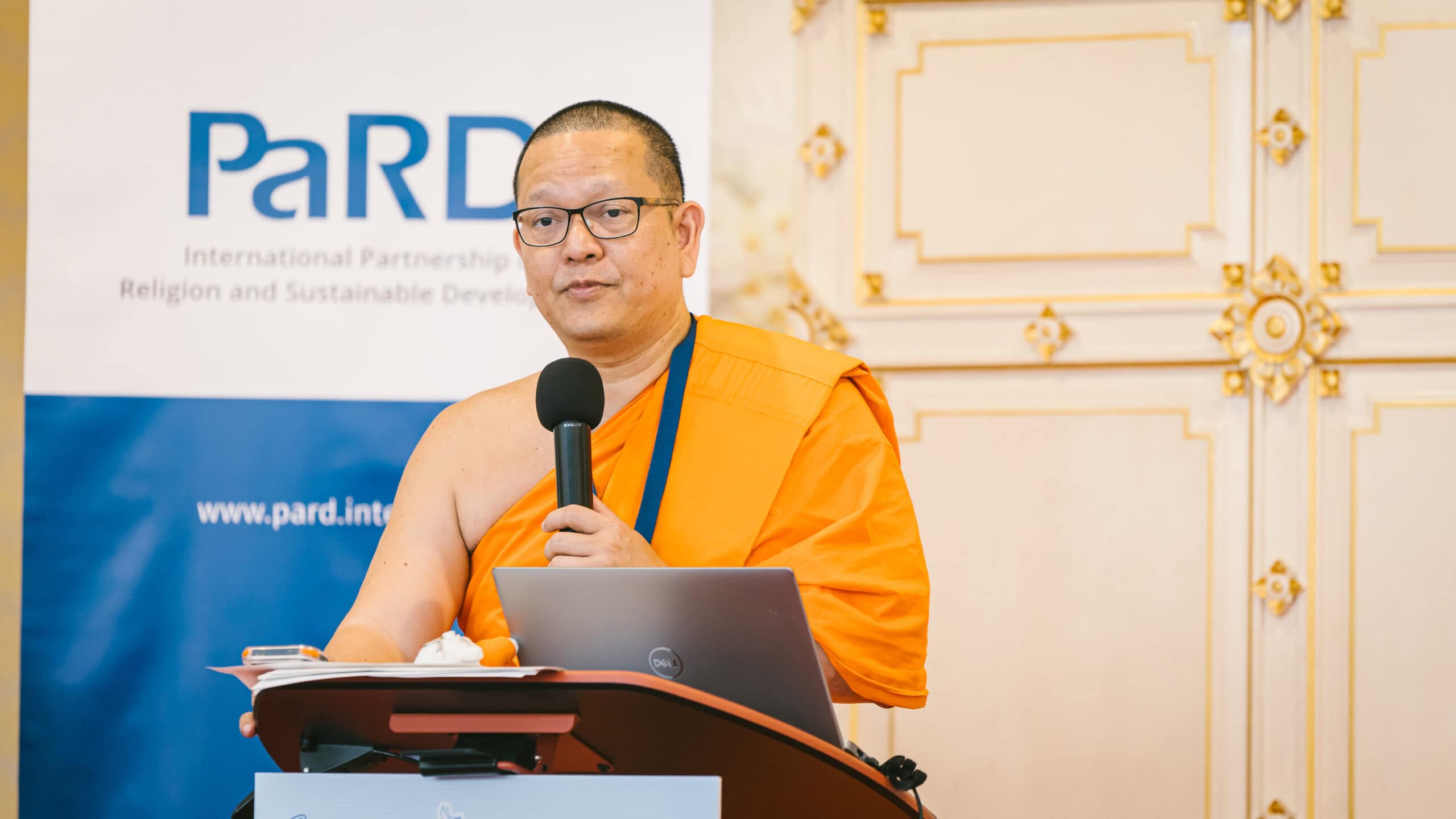
In his welcome address, Buddhist monk Venerable Napan Thawornbanjob from IBHAP highlighted the importance of wisdom, compassion, patience and collective effort: “Our task now is to carry forward the trust, relationships, and learning that PaRD has nurtured for 10 years, while shaping a future that responds to the needs of our world.” The discussions focused not only on PaRD’s long-term purpose, but also on the practical arrangements needed to continue its work in a world where the funding landscape, especially for civil society, has changed decisively.
Members exchanged ideas on how PaRD could sustain its work beyond the current hosting arrangement, which is due to end in 2027. The PaRD Secretariat is currently hosted by the Sector Programme Religion and Sustainable Development which is being implemented by the German international development cooperation agency GIZ, Deutsche Gesellschaft für Internationale Zusammenarbeit GmbH. The German Federal Ministry for Economic Cooperation and Development (BMZ) has been providing core funding, and members have been contributing to substantial in-kind contributions. An international non-governmental organisation (INGO) emerged as a possible option for providing a basis for continued operations. Members also discussed membership contributions, in-kind contributions and collaboration with other organisations as possible sources of support.
To take the process forward, members agreed to establish a Transition Steering Board (TSB), bringing together qualified and well-respected individuals with complementary expertise and a strong commitment to PaRD. The board will help guide the transition while ensuring that PaRD’s brand, convening power, global reach, inclusive values and multifaith character remain central to its future.
Food security: Local action and community knowledge
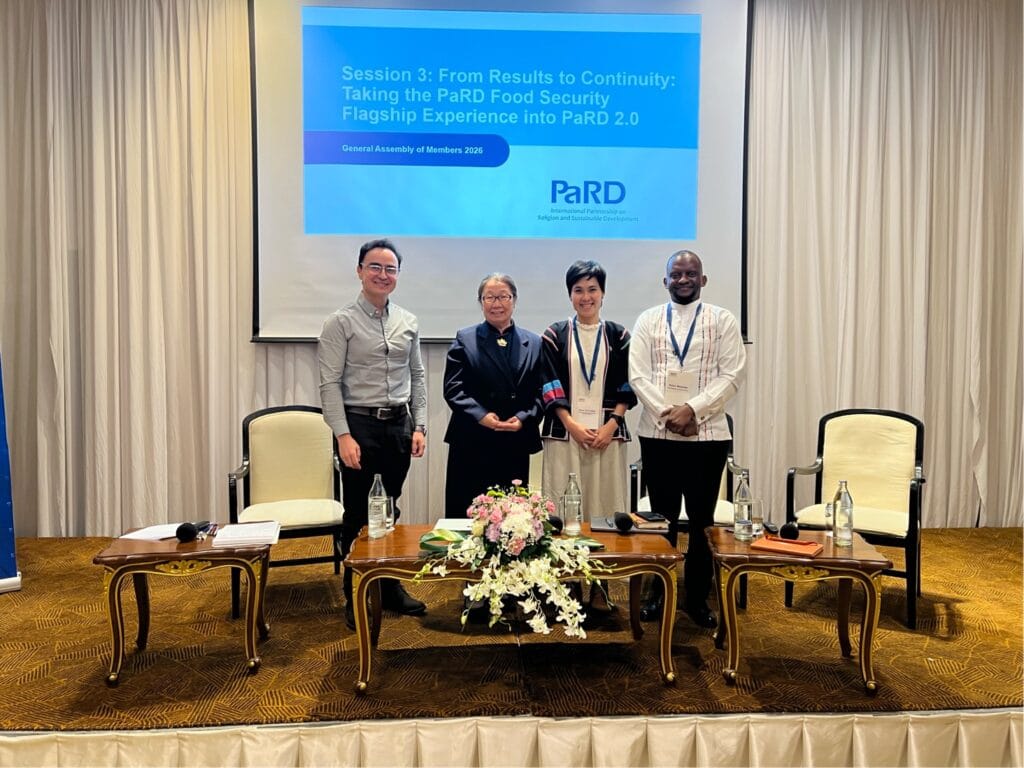
Food security is the current flagship topic of PaRD. The session highlighted how religious actors contribute to food security through practical support, community networks, education and work with local groups, including women and farmers.
Debra Boudreaux of the Buddhist Tzu Chi Foundation shared examples of support for women farmers in Eswatini and Sierra Leone. Opor Srisuwan of the International Network of Engaged Buddhists (INEB) discussed food distribution and education initiatives in Thailand. Rolex Mwamba of the Inter-religious Council of Kenya highlighted training for women of faith in climate action and food security. Together, these examples illustrate the different ways in which faith-based organisations engage with food security: through direct assistance, education, support for livelihoods and community-based responses to climate-related challenges. Their local presence and established relationships can help connect development initiatives with the needs and experiences of the people they aim to reach.
Building on a decade of cooperation
Beyond organisational questions, members identified peace, social cohesion and reconciliation, freedom of religion or belief, climate and environmental issues, and the post-2030 development agenda as key areas for future engagement. Members stressed the need to demonstrate PaRD’s contribution through concrete examples of how religious actors support sustainable development.
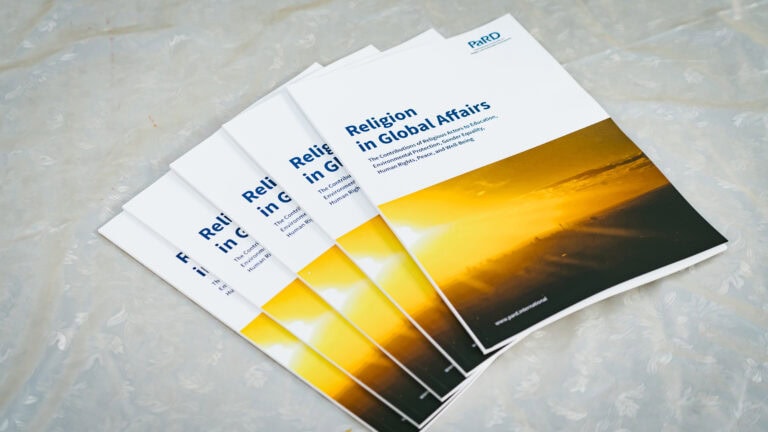
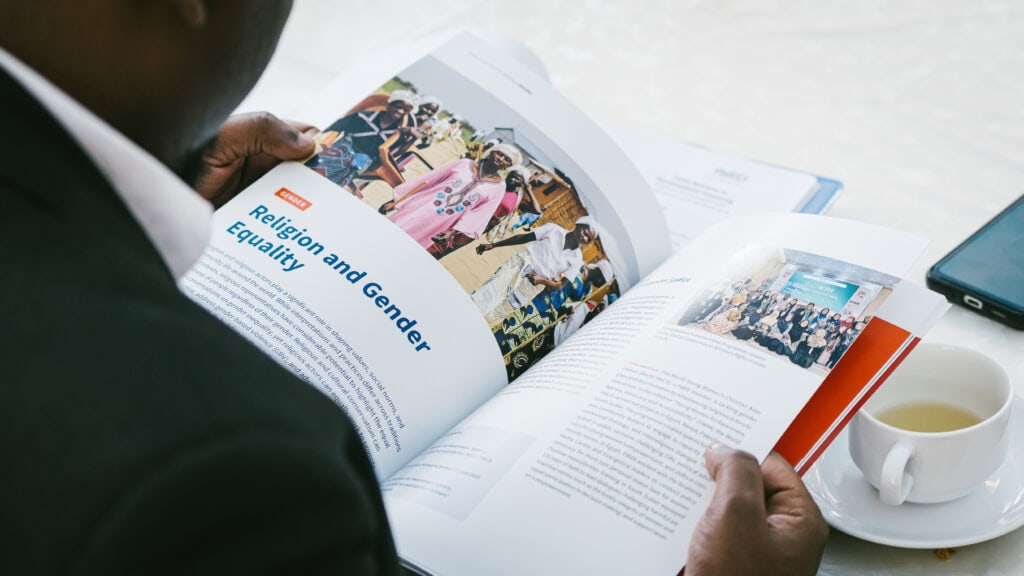
To showcase such examples, the PaRD Secretariat launched a new publication in Bangkok: Religion in Global Affairs: The Contributions of Religious Actors to Education, Environmental Protection, Gender Equality, Human Rights, Peace, and Well-Being. The brochure presents good practices by faith actors, especially PaRD members and also from GIZ projects. Its five chapters cover health, climate, gender, peace and education. The publication highlights initiatives such as the first Faith Pavilion at the United Nations Climate Change Conference COP28, mental health support adapted to the needs of children on the move, and initiatives in Africa and Asia that strengthen peace and social cohesion. By bringing these examples together, the brochure makes the contributions of religious actors to sustainable development more visible. The launch brought together representatives from different organisations, including Eleonora Mura of Arigatou International, Dilshan Annaraj of World Vision International and Evans Nyesi of The Tikvah Center.


