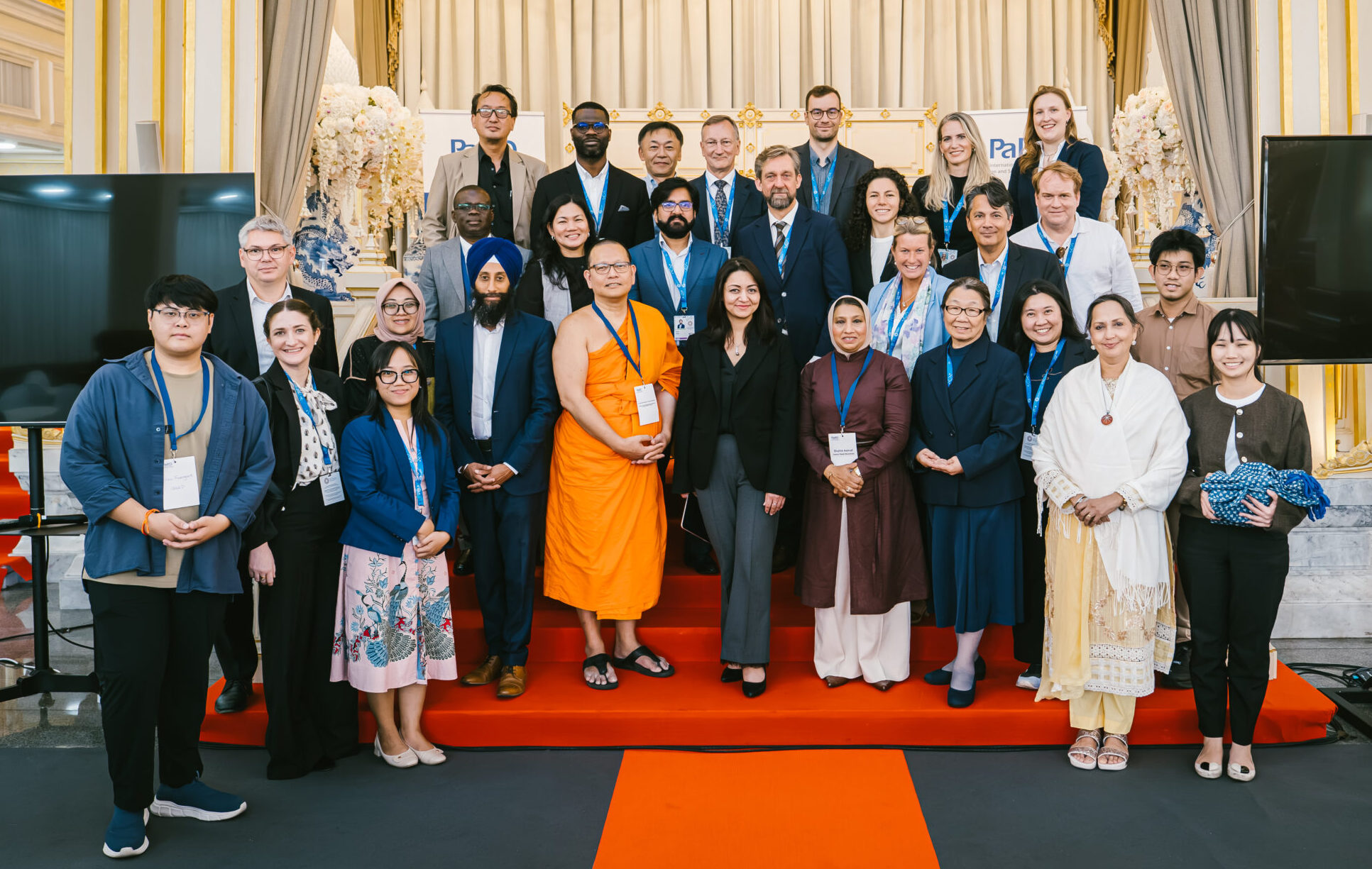
Faith-inspired giving is roughly estimated at US$1 trillion a year, yet much of this money remains disconnected from mainstream development cooperation. At its Annual Forum in Bangkok, the International Partnership on Religion and Sustainable Development (PaRD), whose Secretariat is hosted by GIZ’s Sector Programme Religion and Sustainable Development and funded by the German Ministry for Economic Cooperation and Development (BMZ), explored how religious giving, investments and philanthropy could contribute more effectively to ethical financing for sustainable development.
Religious communities and faith-based organisations contribute to development not only through charitable giving, but also through investments, social services and relationships with local communities. Faith-inspired finance encompasses investments shaped by ethical values. Connecting these resources with mainstream development finance requires a better understanding of how religious organisations manage their resources, what guides their financial decisions and where their priorities align with development goals.
From resources to equitable partnerships
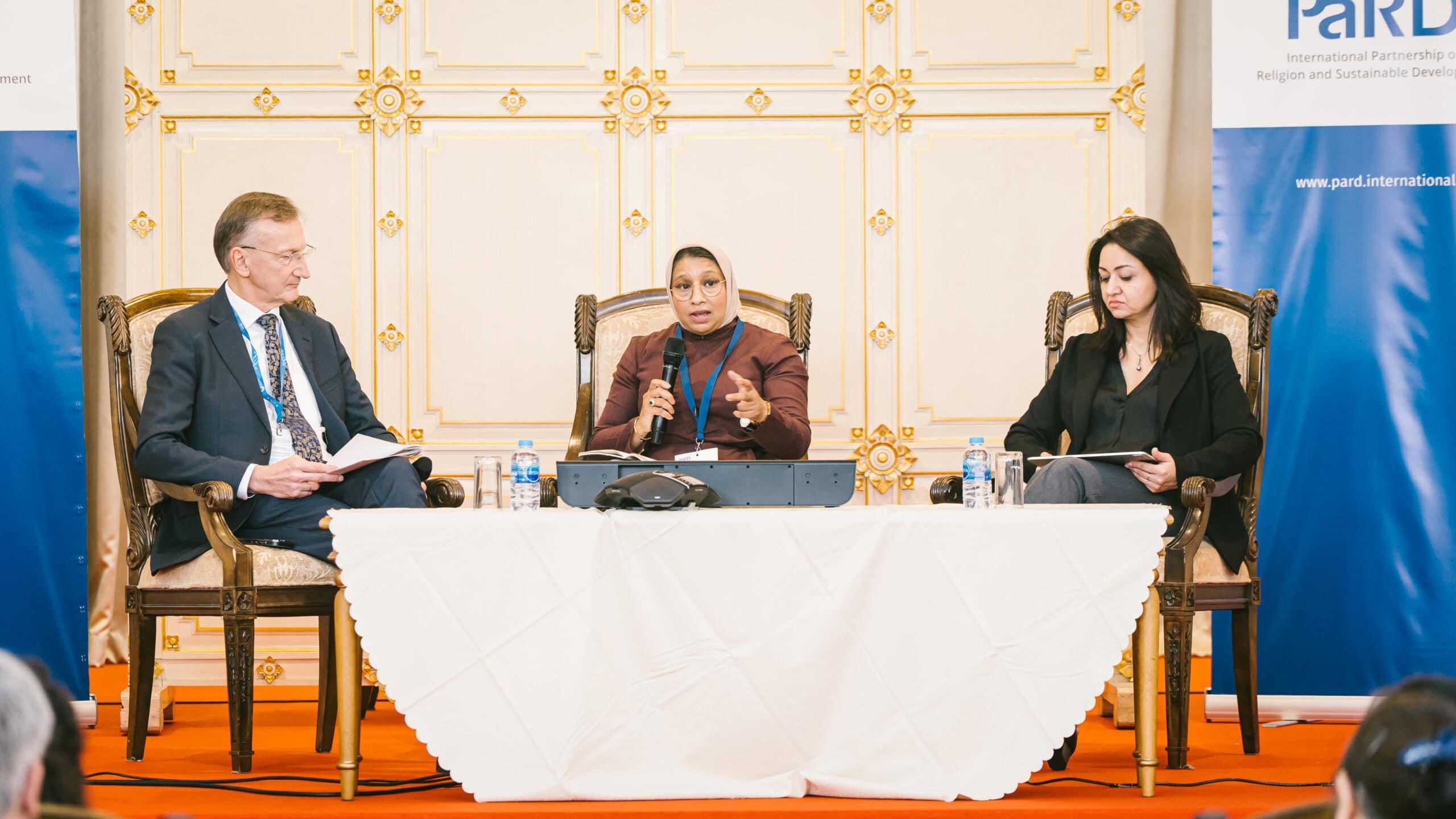
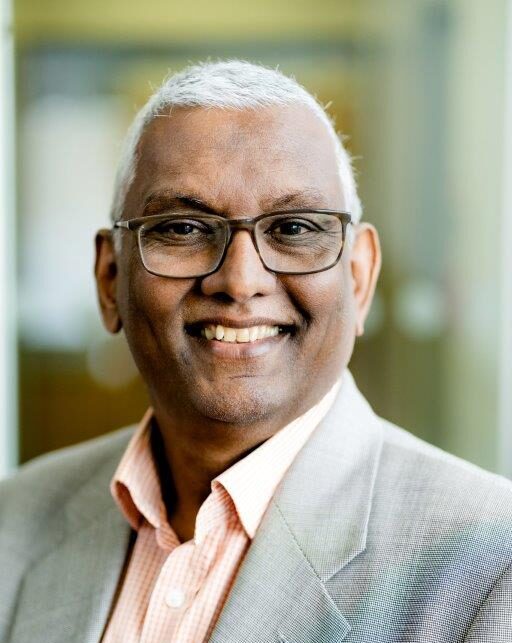
On 12 October, the PaRD Annual Forum hosted a high-level exchange in cooperation with the World Bank Group entitled Faith Matters! in Development Financing. Speakers included Ambassador Roya Rahmani, Director of Global Engagement of the World Bank Group; Professor Bambang Brodjonegoro, former Indonesian finance minister and Dean of the Asian Development Bank Institute (ADBI), and Martin Palmer, founder of FaithInvest. The conversation also brought together development and humanitarian practitioners, academics and private-sector representatives, including Professor Atul K. Shah of Bayes Business School at City St George’s, University of London, Dr Jubril Adeojo Director of SMEFUNDS Capital, Shahin Ashraf MBE of Islamic Relief Worldwide, Osai Ojigho Director of Policy, Public Affairs and Campaigns, Christian Aid, and Shahira Zaireen Binti Johan Arief Jothi Senior Financial Sector Specialist of the World Bank Group.
The discussions centred on practical experiences and opportunities for future collaboration between development finance institutions (DFIs) and religious actors without neglecting the danger of being instrumentalised. Participants explored how religious approaches to wealth and investment could connect with development finance instruments while remaining consistent with religious values. They also discussed how instruments such as blended or catalytic finance, which combines public or development funding with private investment, could support projects that might otherwise struggle to attract financing.
The exchange highlighted that mobilising private capital alone is not enough. Investments must contribute to tangible development outcomes, including job creation, essential services and economic and social opportunities that enable people to live with dignity. This requires investment not only in physical infrastructure, but also in education, healthcare and the institutional conditions needed for sustainable investment.
Khushwant Singh, PaRD Head of Secretariat, shared a practical example in his welcome remarks to explain the relevance of faith in financing: In the early 1990s, a Buddhist monk named Phra Subin Paneeto founded the Sajja Sasom Sab network in Thailand to help impoverished rural villagers bypass exploitative loan sharks. This community-led microfinance system allows members to pool small monthly savings, which are then used to provide affordable loans for vital necessities like healthcare and education. Instead of traditional assets or collateral, the network relies on Buddhist principles of karma and mutual community guarantors, resulting in a model with virtually zero loan defaults.
Rahmani highlighted the World Bank Group’s efforts to mobilise private capital and provide guarantees to encourage investment, while stressing that capital mobilisation must ultimately benefit people and communities. She also pointed to the distinctive contribution of faith-based organisations. Beyond their charitable resources, institutional assets and service provision, they bring local knowledge and the trust of communities. Rahmani called for closer exchanges of knowledge and expertise, combining the World Bank Group’s development experience with the insights of faith-based organisations, including knowledge from communities that international institutions may struggle to reach. The aim is to identify solutions that can be adapted to different contexts and scaled up, rather than repeatedly reinvented.
Recognising values and independence
Professor Shah emphasised the importance of understanding how money is viewed in different discourses, including in religious traditions, and of managing money well rather than allowing financial systems to dictate priorities. Prof. Brodjonegoro shared good practices from Indonesia based on Zakhat and warned of the risk of instrumentalisation when religious organisations are treated mainly as sources of money, local access or public endorsement for an agenda decided elsewhere. Palmer stressed that faith-based organisations should not be treated merely as channels for delivering programmes designed by others: “Let’s actually become serious partners rather than compliant partners.” Their independence, priorities, values and expertise need to be recognised in ethical based decisions about how resources are invested and development activities are shaped. Shahira Johan of the World Bank Group highlighted a related aspect of responsible financial management: “When you deal with philanthropic funds, credibility and accountability are extremely important.” Recognising faith-based organisations as partners also means acknowledging what they bring to development cooperation beyond financial resources. A key asset is their presence in communities, including places where state institutions may have limited reach. “We hold the last mile,” said Shahin Ashraf. Their contributions, however, extend beyond service delivery: their contextual knowledge, relationships and expertise also make them partners in shaping development responses.
Ojigho put it this way: “Meaningful partnership requires engaging with the independent voice of faith communities, not only their networks.”
Continuing the dialogue with the World Bank Group
The exchange, that was moderated by Peter Prove, Director of International Affairs at the World Council of Churches, and Dr Rose Campion, who worked for the PaRD Secretariat and currently works for the Asian Development Bank Institute, showed that working more effectively with religious actors requires more than recognising the scale of religious giving. Development institutions need to understand how religious organisations manage and invest their resources, what principles guide their financial decisions and how their local knowledge and relationships can inform development priorities. At the same time, religious organisations need opportunities to understand development finance and identify forms of cooperation that are compatible with their values and objectives.
The challenge is therefore not simply to mobilise more money. Religious traditions have their own approaches to wealth, investment and responsibility, while development financing operates according to its own systems and requirements. Greater financial and religious literacy, alongside mutual understanding, is essential if religious organisations and development institutions are to identify viable opportunities for cooperation without compromising their strengths and values.
The discussions continued during the World Bank Group’s Annual Meetings on 13 October. In the session Lessons from Practice, participants reflected on practical experience and opportunities for collaboration. Ambassador Roya Rahmani moderated the session Closing the Gap and Moving Forward, which brought the discussion back to ways of strengthening cooperation between faith actors and development finance institutions.
What this means for PaRD
As a multistakeholder partnership, PaRD brings together governmental entities, multilateral organisations, academic institutions, religious actors and other civil society organisations to advance the Sustainable Development Goals. By creating opportunities for exchange and collaboration across these groups, PaRD can help bridge gaps in understanding and connect resources, expertise and institutional perspectives that might otherwise remain separate.
For development cooperation, the potential lies in treating religious actors as partners. Their financial and human resources can contribute to development goals, while their expertise, networks and the trust they have built within communities can help ensure that development responses are locally grounded and relevant. The central question is therefore not how much faith-inspired capital can be mobilised, but how financial resources, local knowledge and equitable partnerships can work together to deliver lasting benefits for people and communities.