From charitable land to solar power, faith-based resources offer opportunities to finance sustainable development – if partnerships protect community priorities, transparency and religious autonomy.
A solar plant on land held for charity could produce electricity and a continuing income for a school or clinic. For communities facing rising energy needs and stretched public services, that is a practical reason to connect religious giving with development finance. Making it work requires clear agreements about who benefits, who carries the risks and who makes the decisions.
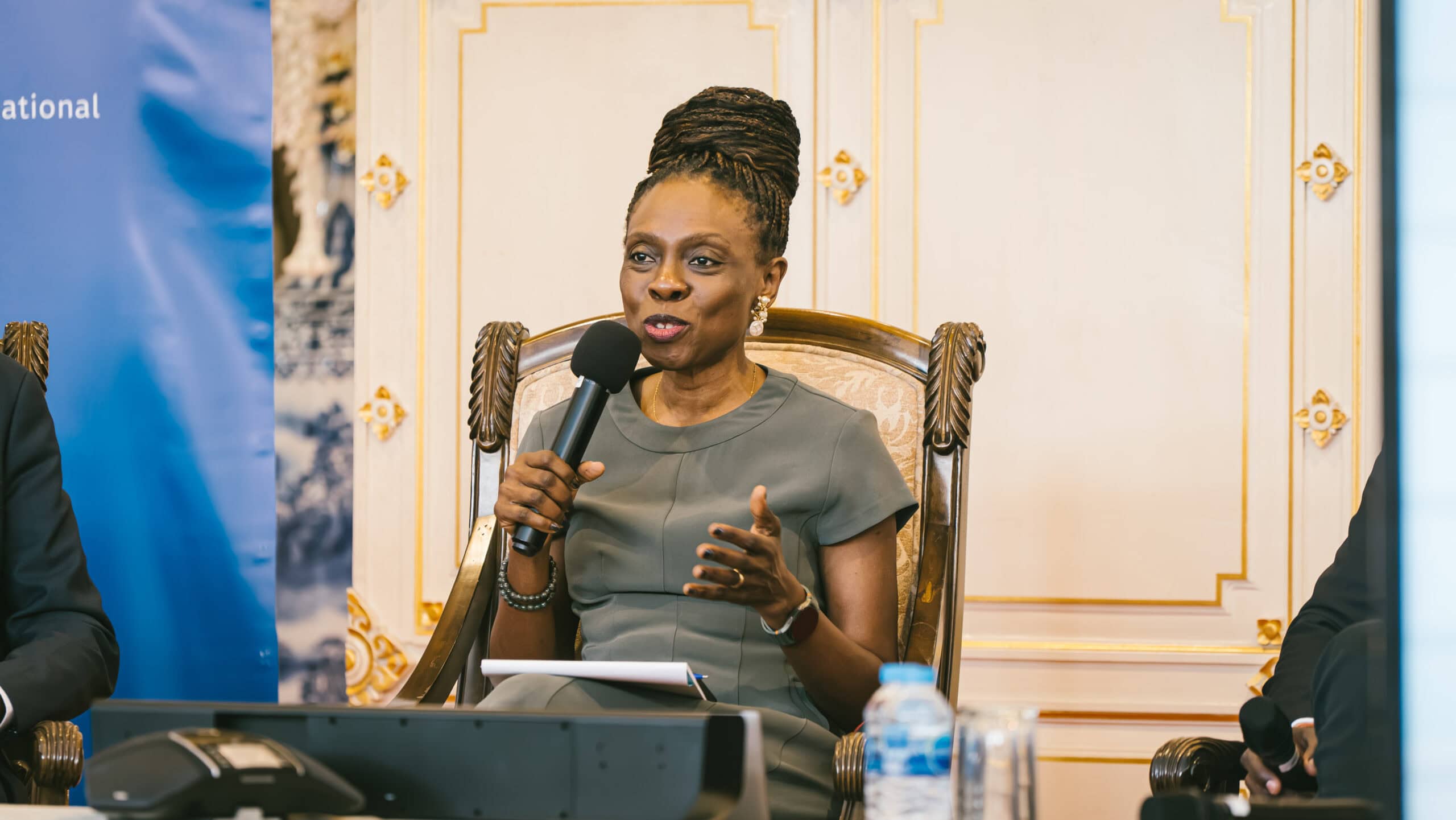
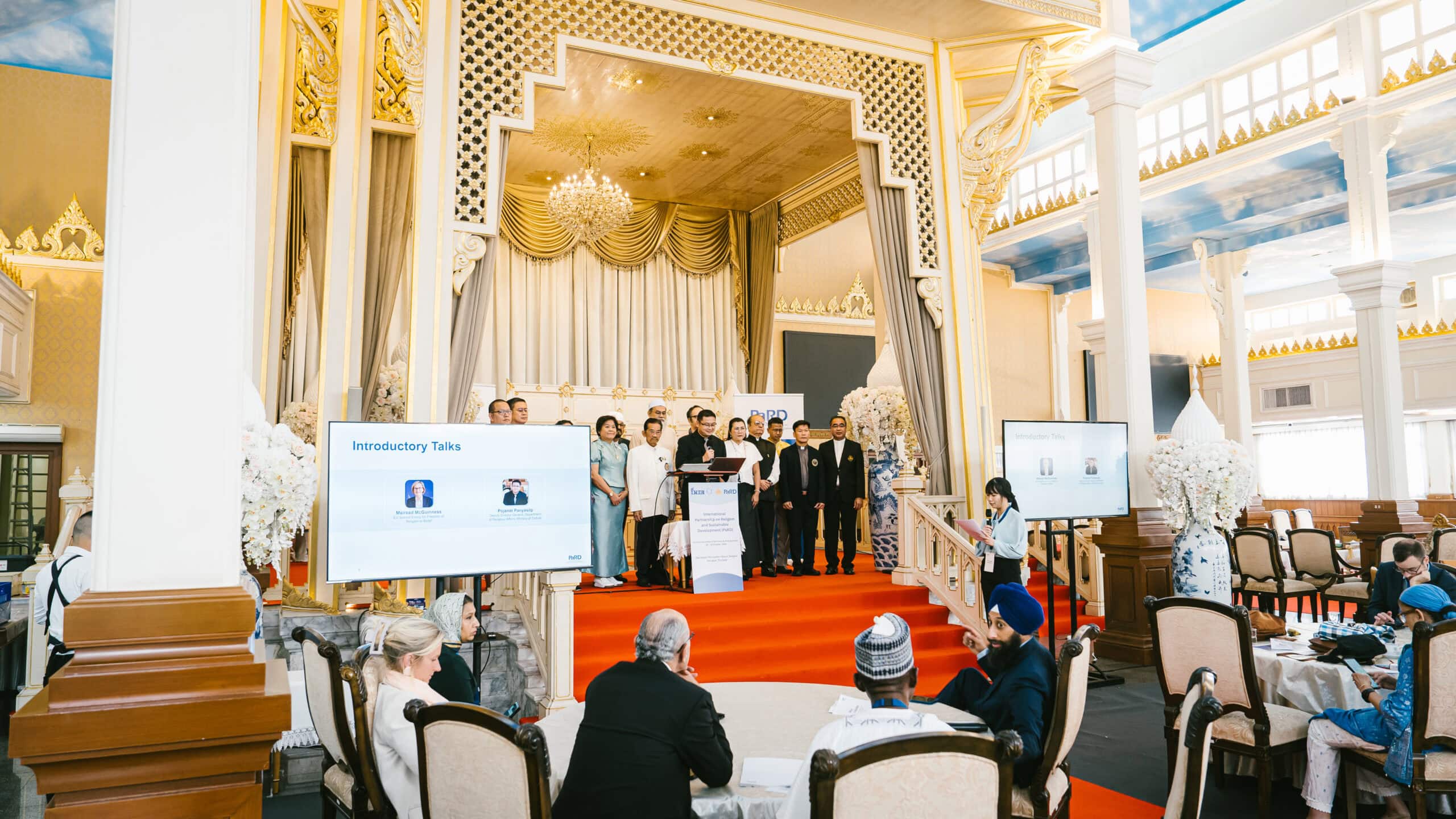
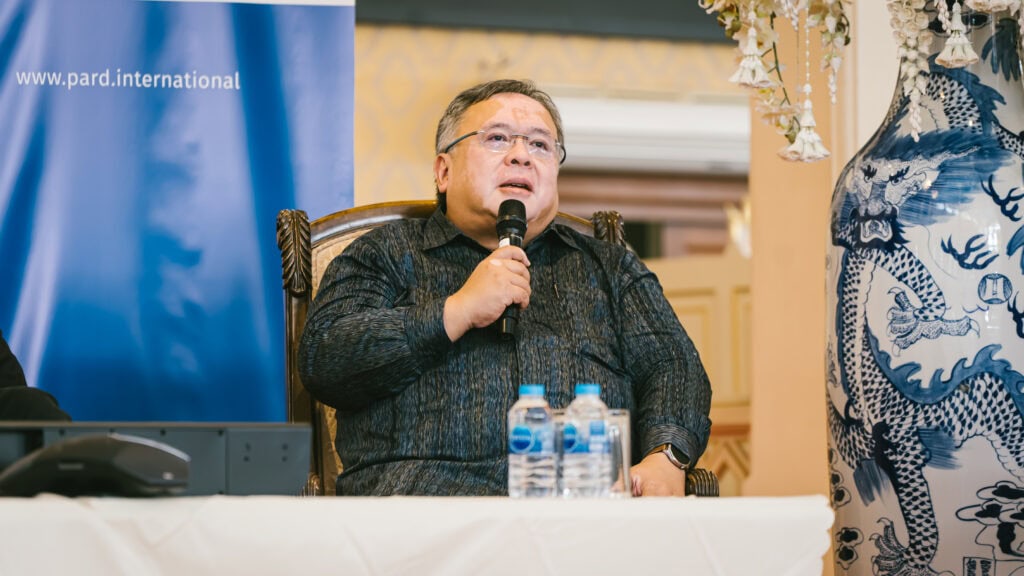
I explored this possibility at Faith Matters! in Development Financing in Bangkok on 13 October 2026, organized by the International Partnership on Religion and Sustainable Development (PaRD) in cooperation with the World Bank Group. Faith matters because it shapes why people give and how they understand their obligations to others. Religious institutions can bring knowledge of local needs, relationships built over generations, and assets committed to charitable purposes. These contributions can strengthen public development efforts when communities help decide how resources are used.
Turning an endowment into continuing support
At the Asian Development Bank Institute, our research on People-Centered, Faith-Based Giving in Asia and the Pacific, supported by The Rockefeller Foundation, explores how these resources could support sustainable development. One model under development in Indonesia would use suitable waqf land for a professionally managed solar plant. Waqf is an Islamic endowment whose asset is retained for an approved charitable purpose.
Under the proposed arrangement, the waqf manager would lease registered land to a developer, subject to the required approvals. The land would remain endowed and would neither be sold nor pledged as security for project borrowing. The developer would finance, build and operate the plant. Electricity revenue would need to cover operating costs, financing obligations and contracted rent. The waqf manager would use the rent for the endowment’s approved purposes, such as education or healthcare.
Philanthropic contributions, where permitted, could fund feasibility studies or help the manager negotiate and oversee the agreement. Separately funded assistance could help households struggling with electricity bills. Zakat, obligatory giving in Islam, could support eligible recipients, subject to relevant approvals. Voluntary contributions could reach a wider group. Households would continue receiving grid electricity at the applicable retail tariff. Institutions from different faiths could participate through contributions consistent with their own rules.
The model remains at the development stage. A suitable site, legal permissions, grid access and an electricity-purchase agreement would all need to be secured. Leasing land can reduce upfront costs, but a project must still earn enough to meet its obligations and provide dependable charitable income.
Indonesia offers a useful precedent. In 2018, the United Nations Development Program (UNDP) reported that zakat from Indonesia’s National Zakat Agency (BAZNAS), Bank Jambi’s corporate social responsibility funds, public institutions and UNDP technical assistance had supported the construction or rehabilitation of micro-hydro plants serving four villages with 803 households. BAZNAS assessed eligibility, while local consultation helped identify community needs.
Protecting purpose in financial partnerships
Indonesia’s sovereign green sukuk show another route. In March 2018, the government issued US$1.25 billion in these Sharia-compliant investment instruments. The World Bank and UNDP helped develop the framework and impact-reporting arrangements. Investors receive a financial return, and the proceeds support eligible green expenditure. Such investments can complement charitable giving in financing development.
Cooperation with the World Bank Group and other development institutions requires learning on both sides. Financiers need to understand religious governance and restrictions on giving. Charitable organizations may need support to prepare technical studies and meet financial reporting requirements. Both sides must agree on eligible beneficiaries, acceptable risks and realistic timelines. Community priorities then need to be translated into projects that can be assessed and financed.
There is also a risk of instrumentalization when religious organizations are treated mainly as sources of money, local access or public endorsement for an agenda decided elsewhere. That can weaken their independence and the trust on which giving depends. Faith institutions and communities should help define the objectives from the outset. Their charitable commitments must be respected, and partnership should protect freedom of religion or belief and avoid pressure to adopt a faith.
Safeguards should be agreed before money is committed. Contracts should specify permitted uses of funds, responsibility for losses and how benefits will be distributed. Charitable support should have a defined purpose and limit. Funding streams should remain traceable. Transparent reporting, independent oversight and accessible complaints procedures can help communities hold partners accountable. Where a fund has restricted eligibility, complementary funding can support wider inclusion without breaching its rules.
Giving PaRD a practical role and next steps
PaRD provides a setting for religious organisations, governments, development partners and researchers to work together. It could use that space to connect faith institutions with project developers and financial specialists, while ensuring that community representatives help shape decisions. Early dialogue can clarify local priorities and religious obligations before project structures are fixed.
A useful next step would be a small group of projects with named partners, agreed preparation tasks and clear milestones. Development institutions could help fund feasibility work and strengthen management capacity, subject to their mandates. Governments could clarify approvals. Faith institutions could identify suitable assets and community needs. PaRD could facilitate cooperation and share evidence about costs, benefits and failures.
Success should be judged by whether people gain reliable electricity, essential services receive sustained support and communities have a stronger say in decisions. Those results would give faith institutions and development partners a sound basis for deciding which approaches deserve to grow.