As governments tighten their belts and prices spike, faith communities hold an asset that markets cannot manufacture.
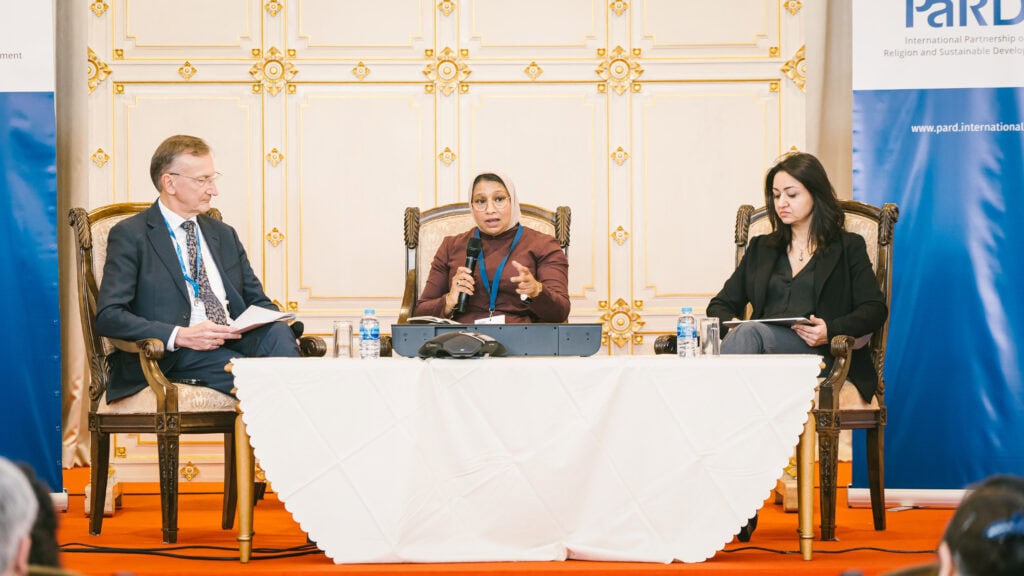
The International Partnership on Religion and Sustainable Development (PaRD) convened faith representatives, experts, academics and finance leaders with the World Bank Group in Bangkok this October. At the World Bank Group and International Monetary Fund (IMF) Annual Meetings, held in Bangkok at the same time, World Bank Group President Ajay Banga offered a clear formula for financing the future: “Public money where markets can’t yet reach. Private capital where it can create jobs and scale. Philanthropy to take early risk and unlock new ideas. Technology to make every dollar go further.” His reason was simple: “A job is not a statistic. A job is dignity.”
It is the right formula. But it leaves out the partner that is often first to arrive and last to leave: faith.
Where we are
Governments are caught between two pressures. Aid from the major donors fell by 23% in 2025, the steepest drop on record. The IMF’s message in Bangkok was that fiscal space “needs to be urgently rebuilt”, which means many governments are consolidating: cutting spending or raising taxes to restore the buffers that protect them in a crisis. That squeeze has coincided with an energy shock. Conflict and the closure of the Strait of Hormuz have driven oil prices sharply higher, and the World Bank expects fertiliser prices to rise by more than 30% this year.
The burden is not shared equally. The poorest households spend around three-quarters of their budget on food, and more than a quarter of the rest on energy. When fuel and food prices rise, there is nothing left to cut. For people who rely on aid, such as refugees and families in fragile states, the shock lands twice: prices rise just as support falls. The IMF’s own evidence is that targeted support protects the poorest best, while holding prices down for everyone can cost governments 3 to 22 times more. Distribution, in other words, is a policy choice.
Where we need to be by 2036
Within a decade, the world will be home to nearly 9 billion people, and most of the 1.2 billion young people now coming of age will be looking for work, largely in sub-Saharan Africa and South Asia. We can reach 2036 with every shock pushing the same families back into poverty, or with resilient systems that reach people before a crisis and jobs that give them a future. The second path needs every source of capital, including one that is consistently overlooked.
Why faith matters in financing
At Islamic Relief, we see four things faith brings that the formula is missing.
- A buffer that is already there: Faith organisations stay when others cannot. Islamic Relief reached 13 million people in 41 countries last year, and in Yemen we have been one of the World Food Programme’s largest partners. We do what large institutions cannot. We reach the last household, through people communities already trust. Mosques, churches, temples and Gurdwara can provide trusted relationships and local networks long after an immediate crisis has passed.
- Patient capital: Islamic Relief has invested donations as waqf, a permanent endowment, for over 20 years. The capital is preserved and only the returns are spent, providing long-term funding that does not depend on the next budget round. Zakat, an annual obligation on wealth, adds recurring support for those most in need. This principle of giving extends across traditions. Christians tithe, Buddhists practise dana, and Sikhs set aside dasvandh. Millions of individual donors and a growing number of high-net-worth philanthropists also give in response to their ethical and spiritual commitments. These resources represent a substantial potential source of patient capital and the early-risk philanthropy Banga described.
- A bridge to private finance: In 2017, the UK’s Al Rayan Bank made Islamic Relief its exclusive charity partner to support Shariah-compliant microfinance, including interest-free loans that helped women in Mali build shea butter businesses. Faith-based finance can connect directly to the jobs agenda Banga described. Other initiatives illustrate the range of possibilities. Indonesia has linked national zakat to climate resilience through its Green Zakat framework. The Global Islamic Fund for Refugees pools Islamic philanthropy to support displaced people. Christian Aid has launched a fund for enterprises too large for grants but too small for banks. These models demonstrate how faith-based resources can complement established development finance and help bridge funding gaps. The opportunity now is to learn from these approaches, strengthen their evidence base and bring effective models to greater scale.
- Values with policy weight: In 2015, Islamic Relief helped convene the Islamic Declaration on Global Climate Change in Istanbul, ahead of the Paris climate talks. Faith communities can shift behaviour and policy at a scale few institutions can match. My faith teaches that wealth is an amanah, a trust held for the common good. Christians, Buddhists, Hindus and Sikhs express comparable principles in their own traditions. These ethical foundations can influence how people understand wealth, responsibility, consumption and obligations to others, including future generations.
The challenges
Faith-based giving is rarely counted, so it is rarely planned for. Financiers and religious institutions speak different languages. Muslim-led charities in particular face banks closing accounts despite clean audits, which is why Islamic Relief works with government and banks in the UK to manage that risk rather than avoid it.
The greatest risk is instrumentalisation. The World Bank Group increasingly welcomes faith actors, but too often as a delivery channel or a source of cheap capital. In Bangkok, discussions at AsiaXchange, convened with the Rockefeller Foundation, and at the faith roundtable placed faith-based finance centre stage, exploring awqaf, the social value of faith-based giving and blended finance. Yet on the main stage, faith-based giving went unmentioned when philanthropy was identified as a source of early-risk capital. Being invited to the table is not the same as helping to set the menu.
Faith actors also have a responsibility to demonstrate the effectiveness and accountability of their work. Partnership requires them to meet the same standards of accountability as other development actors, while financial institutions and governments address barriers such as the closure of bank accounts despite clean audits. Recognising the contribution of faith does not mean lowering standards; it means applying them fairly and building partnerships on equal terms.
What is needed
Governments and development banks need religious literacy, and faith actors need financial literacy. We need a shared evidence base on faith-based giving across traditions, including its scale, reach, social value and contribution to development outcomes. Financing structures must respect religious rules, such as how zakat may be used, while enabling faith-based resources to work alongside public and private finance.
Partnership must also be on equal terms, with faith actors helping to decide what is funded and how risk is shared, while meeting the same standards of accountability as anyone else. This requires more than consultation. It means recognising faith organisations not only as providers of services and funding, but also as partners with knowledge of local needs, established relationships and an understanding of the values that shape people’s decisions.
The role of PaRD
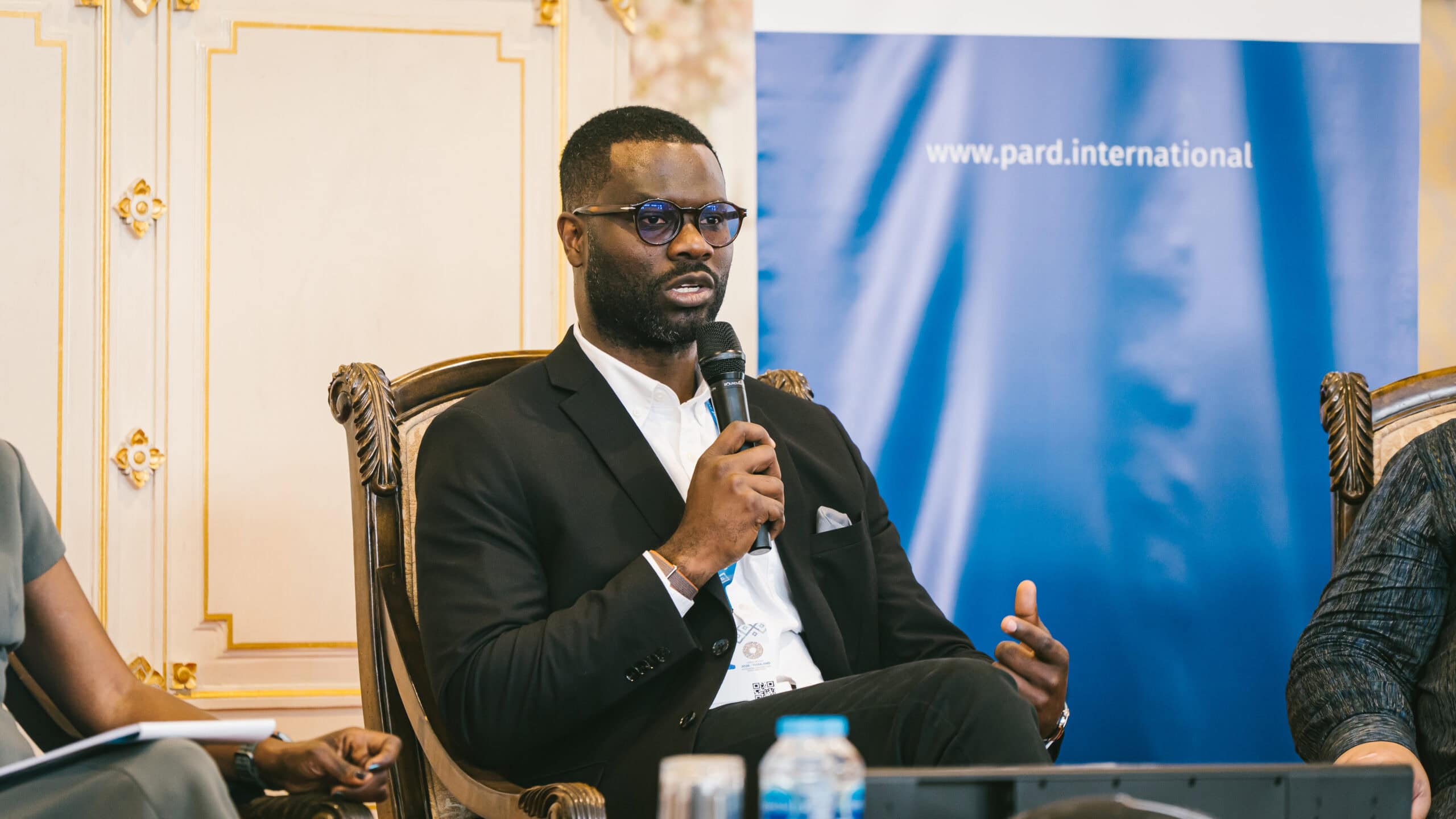
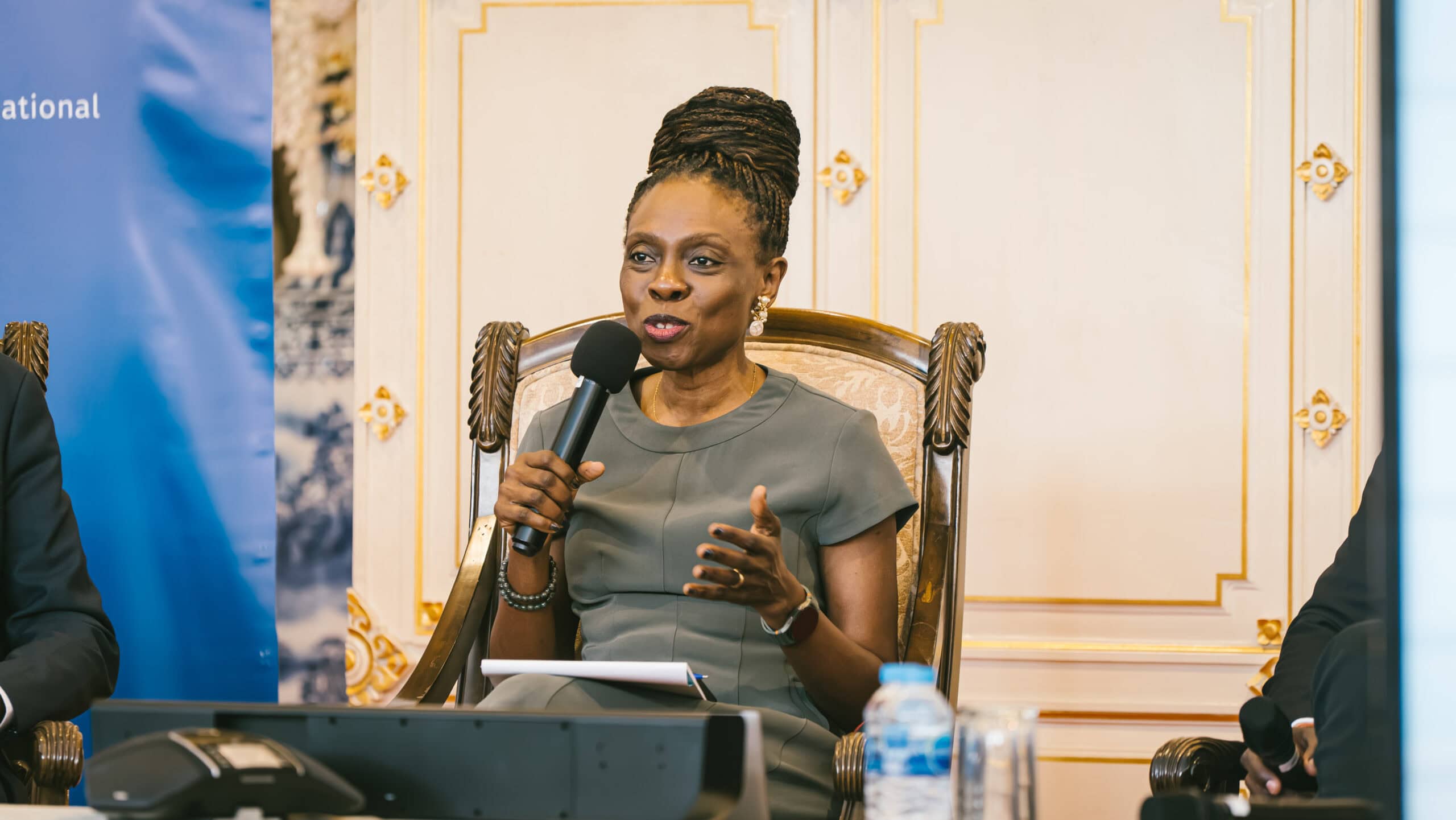
The International Partnership on Religion and Sustainable Development (PaRD) gives government entities, multilateral organisations, academic institutions and faith actors of every tradition a space to meet as equals. The Bangkok faith roundtable happened because PaRD brought the World Bank Group and faith actors into the same room. As it becomes an independent network, PaRD can build the evidence, create a common language between faith and finance, and hold all partners to account.
PaRD can also help identify effective financing models across religious traditions, facilitate exchanges between development institutions and faith-based organisations, and strengthen the capacity of both sides to work together. By bringing together governments, multilateral development institutions and civil society, particularly religious organisations, it can help ensure that faith-based contributions are better understood, more systematically considered in development financing and included in decisions about how resources are mobilised and used.
Banga said the jobs gap “does not have to be our future”. In a decade of tight budgets and price shocks, closing it will take public money, private capital, philanthropy, technology, and the trust that faith communities hold.
Trust, after all, is a form of capital.