Preserving knowledge and making it accessible
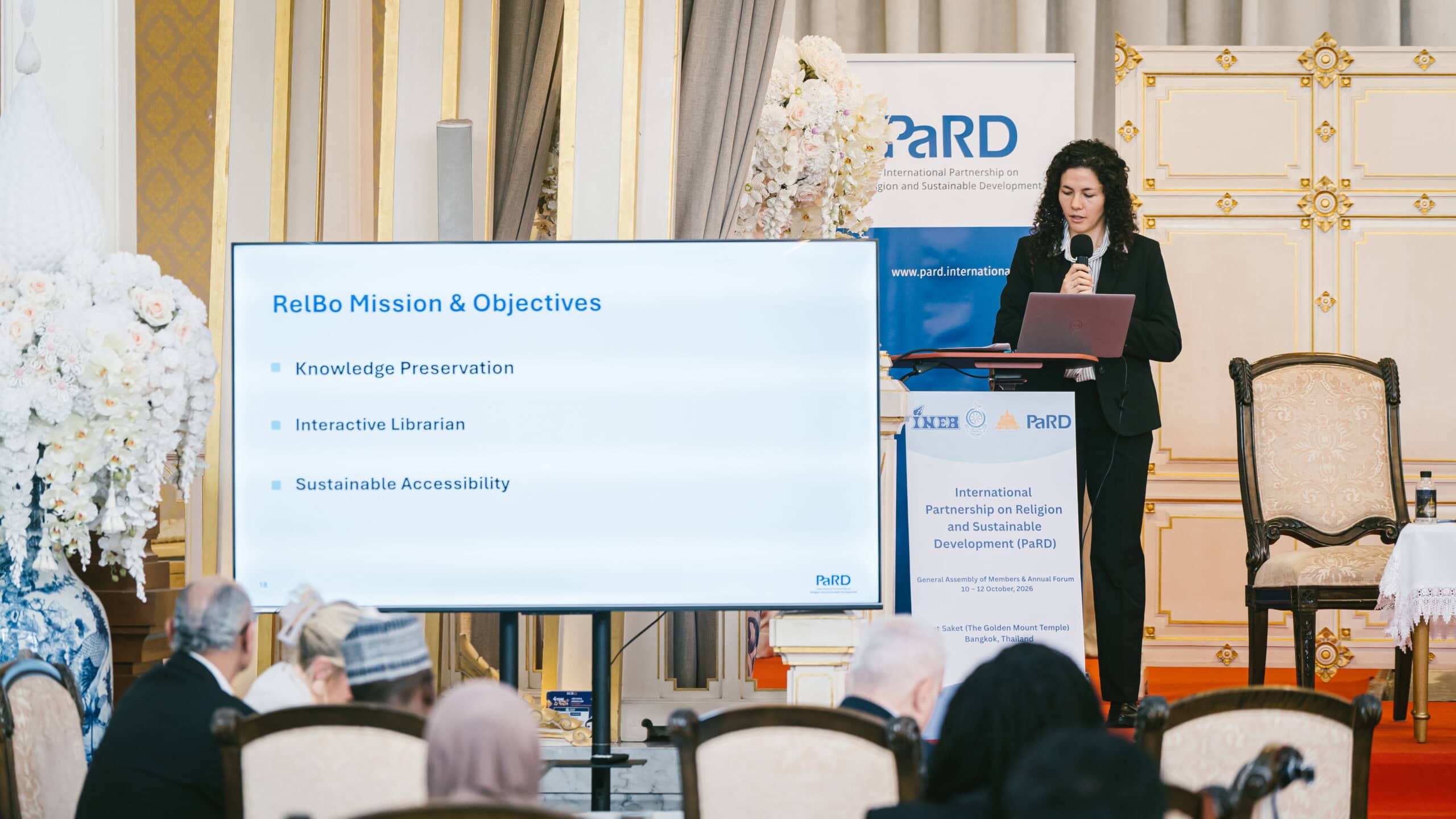
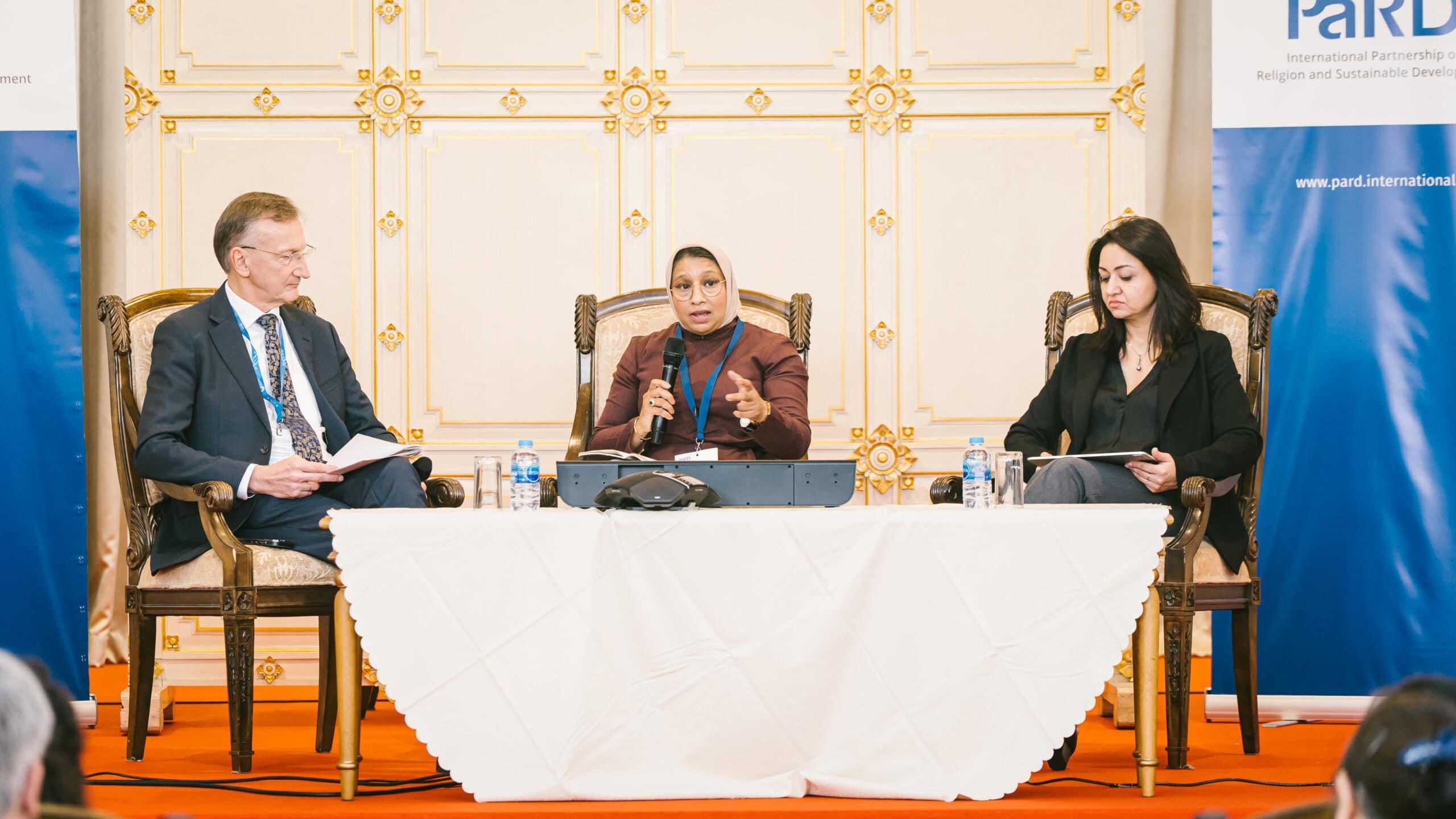
The session Who Knows What? Rethinking Knowledge Management in Religion and Global Affairs examined how knowledge can be preserved and made accessible when institutions change or come to an end. Drawing on experiences from the United States Agency for International Development (USAID), participants considered how digital tools and artificial intelligence could help make existing knowledge more accessible.
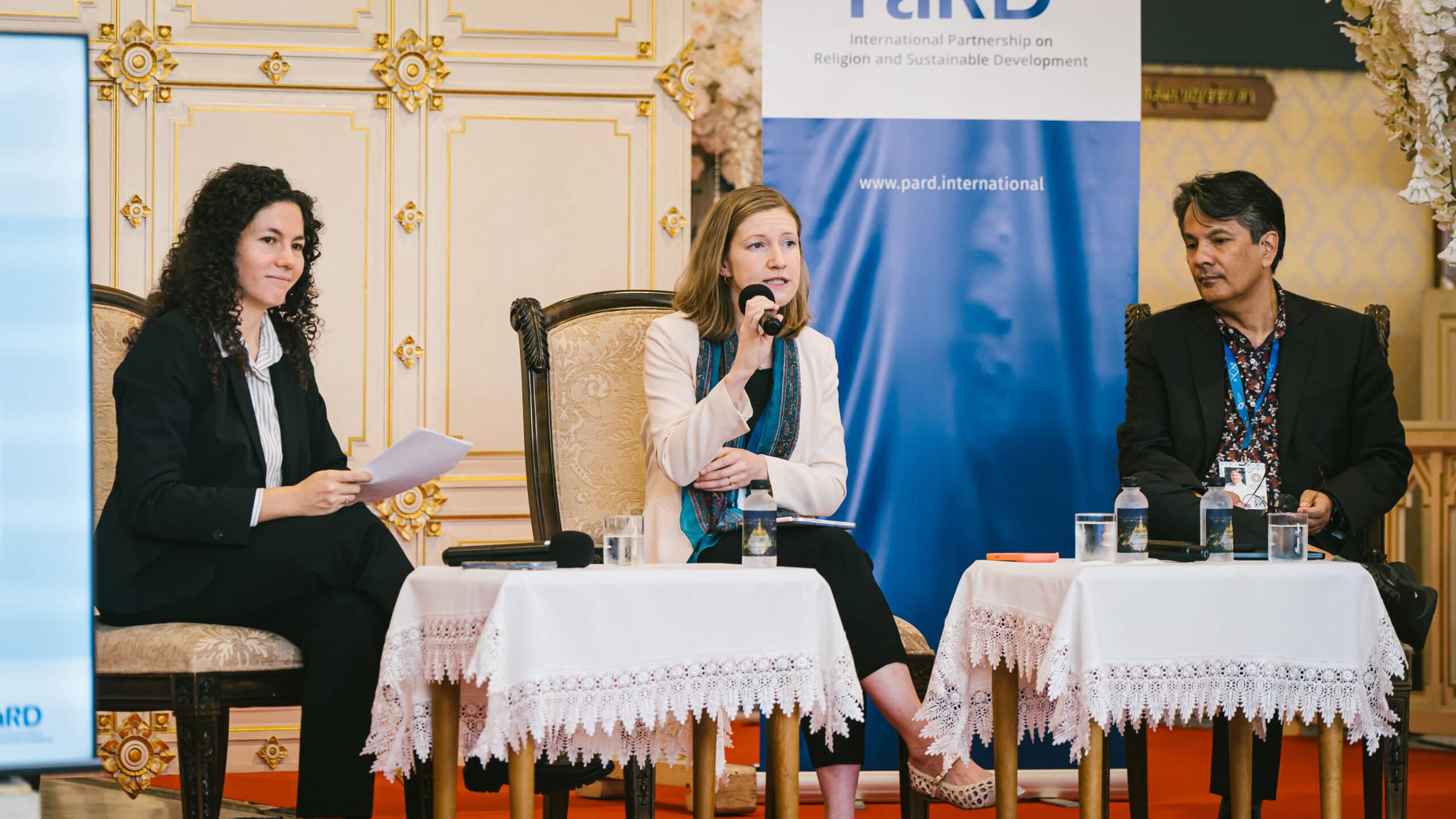
Moderated by Dr Rose Campion of the PaRD Secretariat, the discussion brought together Maurice Bloem (Joint Learning Initiative on Faith and Local Communities, JLI) and Melissa Nozell (Berkley Center for Religion, Peace, and World Affairs) and explored how organisations can preserve institutional knowledge, reach different audiences and ensure that research and practical experience remain accessible and useful amid institutional change. The exchange highlighted the importance of retaining context, maintaining evidence quality and recognising the role of human relationships in knowledge-sharing. Documents and data alone cannot capture all the experience and institutional memory built up over years of work. Participants therefore reflected on how knowledge can be documented and communicated in ways that remain useful to different audiences and in different contexts.
RelBot was presented as a practical step in this direction. Developed by the PaRD Secretariat, RelBot is an artificial intelligence-based chatbot on religion in global affairs and sustainable development. It offers one approach to making knowledge produced by PaRD members and partners over ten years more accessible.
RelBot demonstrated that Artificial Intelligence offers opportunities to make information easier to access. At the same time, the discussion raised questions about personal data protection, the quality of evidence and gaps in the available information. Participants discussed the challenge of ensuring that knowledge from faith communities is recognised and considered in secular policy and development settings. The panelists agreed that digital tools can support knowledge management, but they cannot replace human judgement, relationships and contextual understanding. The discussion raised broader questions about how knowledge is curated, contextualised and shared, and how inclusivity can be achieved.
Faith-based resources and development financing
The Annual Forum also addressed how faith-based resources can complement established development financing. The topic was taken up in a dedicated high-level session on Faith Matters! in Development Financing developed by the PaRD Secretariat in cooperation with the World Bank Group (WBG). Participants, including Ambassador Roya Rahmani, Director for Global Engagement at the WBG, and Professor Bambang Brodjonegoro, Dean & CEO Asian Development Bank Institute and former Indonesian Finance Minister, discussed the potential of faith-inspired capital and ways to strengthen collaboration between religious actors and development finance institutions.
The discussions explored how religious giving, investments and institutional resources could contribute to sustainable development while respecting the values, priorities and independence of religious organisations and avoiding any forms of instrumentalisation. The article [Bridging the Gap: Developing Alliances Between Faith-Inspired Giving and Development Finance Institutions like the World Bank, provides further details and outcomes of how faith matters in development financing.
Bringing faith perspectives into the wider development cooperation conversation
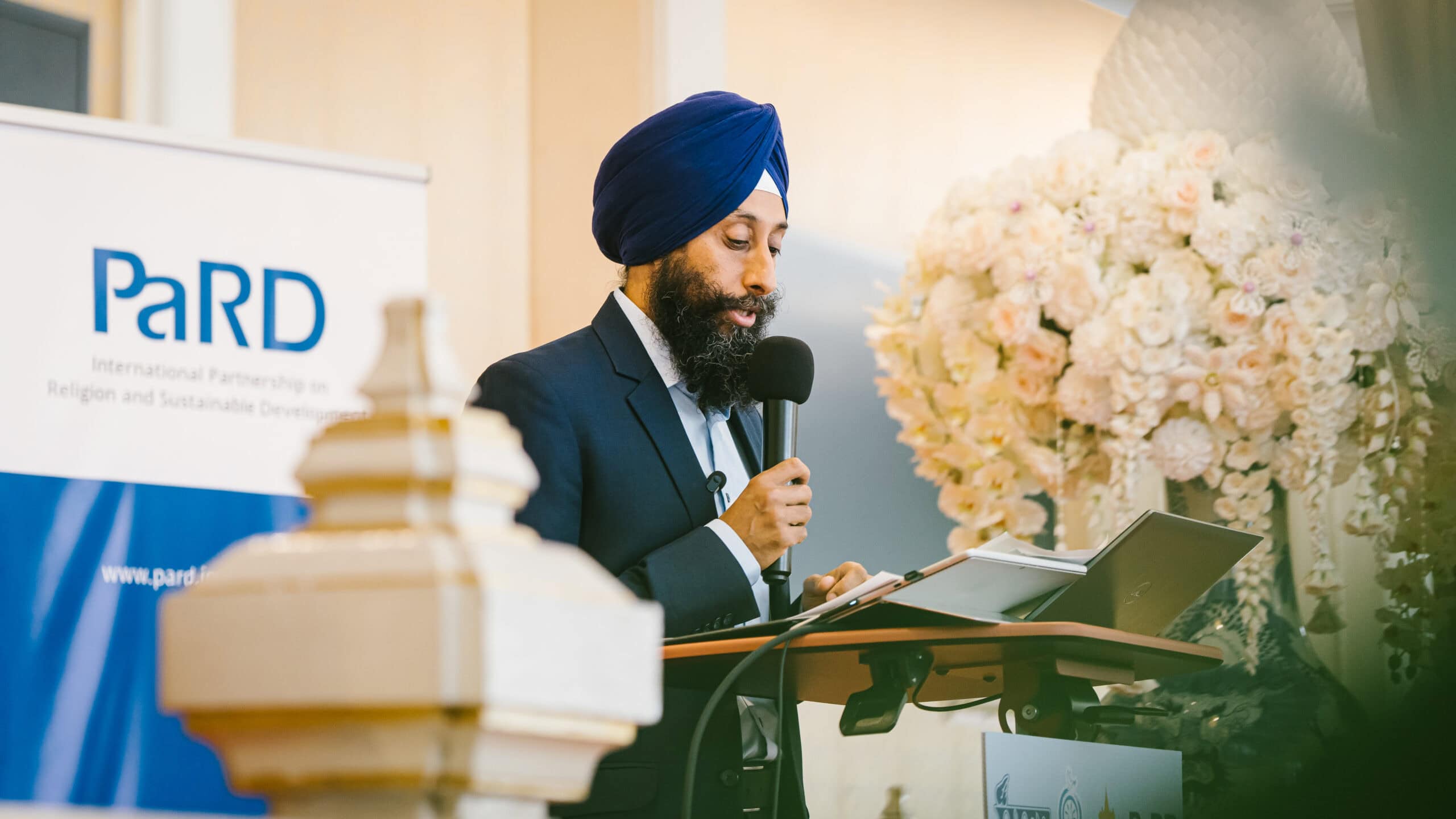
A PaRD delegation attended the Civil Society Organisation (CSO) Town Hall with World Bank Group President Ajay Singh Banga. PaRD Head of Secretariat Khushwant Singh asked how the World Bank planned to create more synergies to mobilise private and institutional faith capital for sustainable development. In response, International Finance Corporation (IFC) Managing Director Makhtar Diop highlighted the contribution of faith-based organisations to education, healthcare and social inclusion, particularly in contexts of fragility, conflict and violence (FCV). He also pointed to opportunities to combine their resources with IFC financing to reduce investment risks and create sustainable jobs.
Paschal Donohoe, Managing Director and Chief Knowledge Officer of the World Bank Group, outlined ongoing research to establish clearer evidence base on the respective roles of public, private and faith-based providers in public service delivery. The aim was to identify how these actors could complement one another and develop recommendations for working together towards shared development goals.
Together, the Annual Forum’s exchanges reflected PaRD’s dual focus: strengthening its own foundations while advancing the contributions of religious actors to sustainable development and making them visible at a global level.