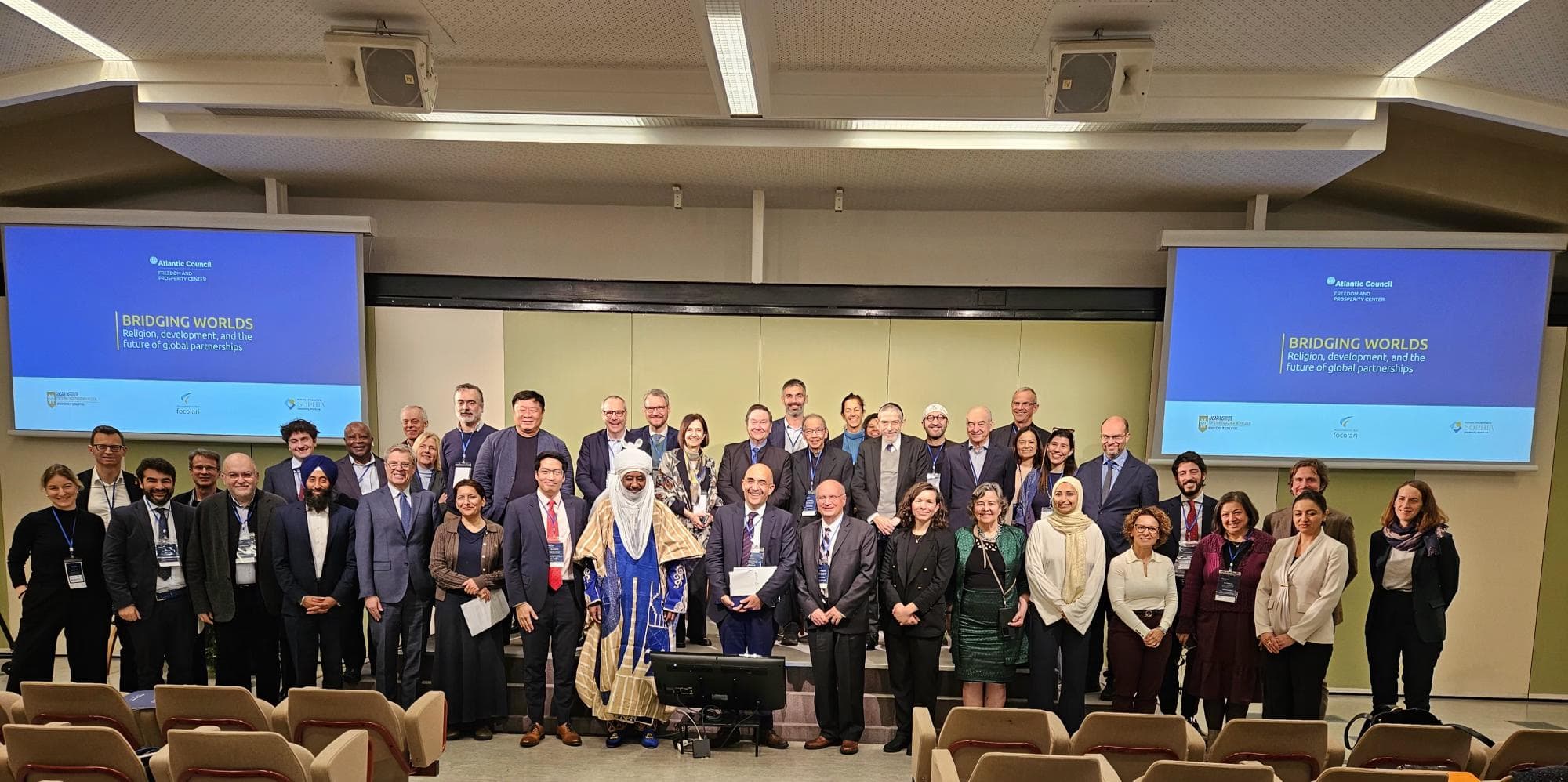
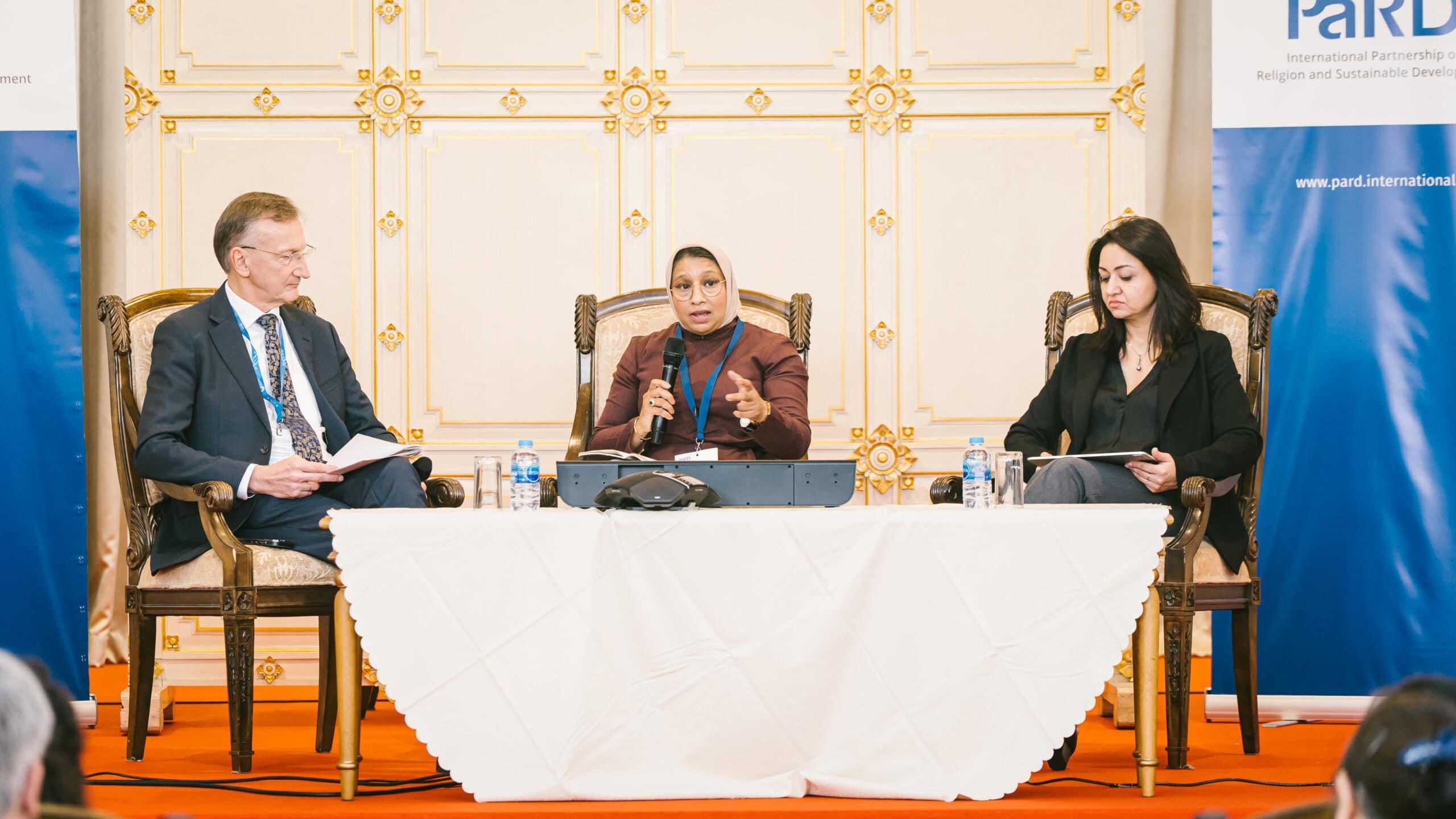
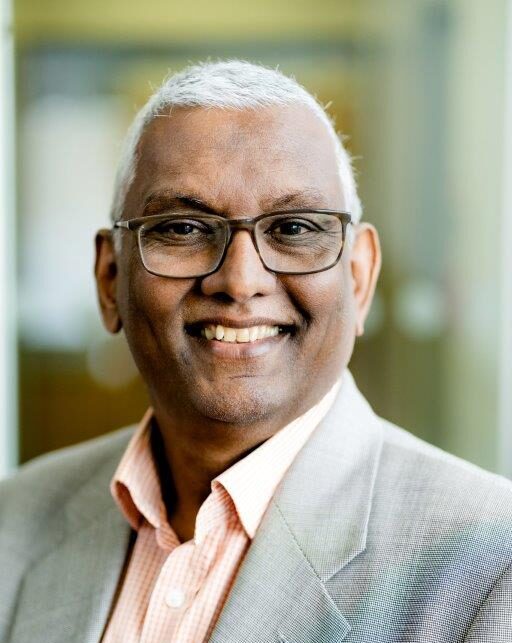
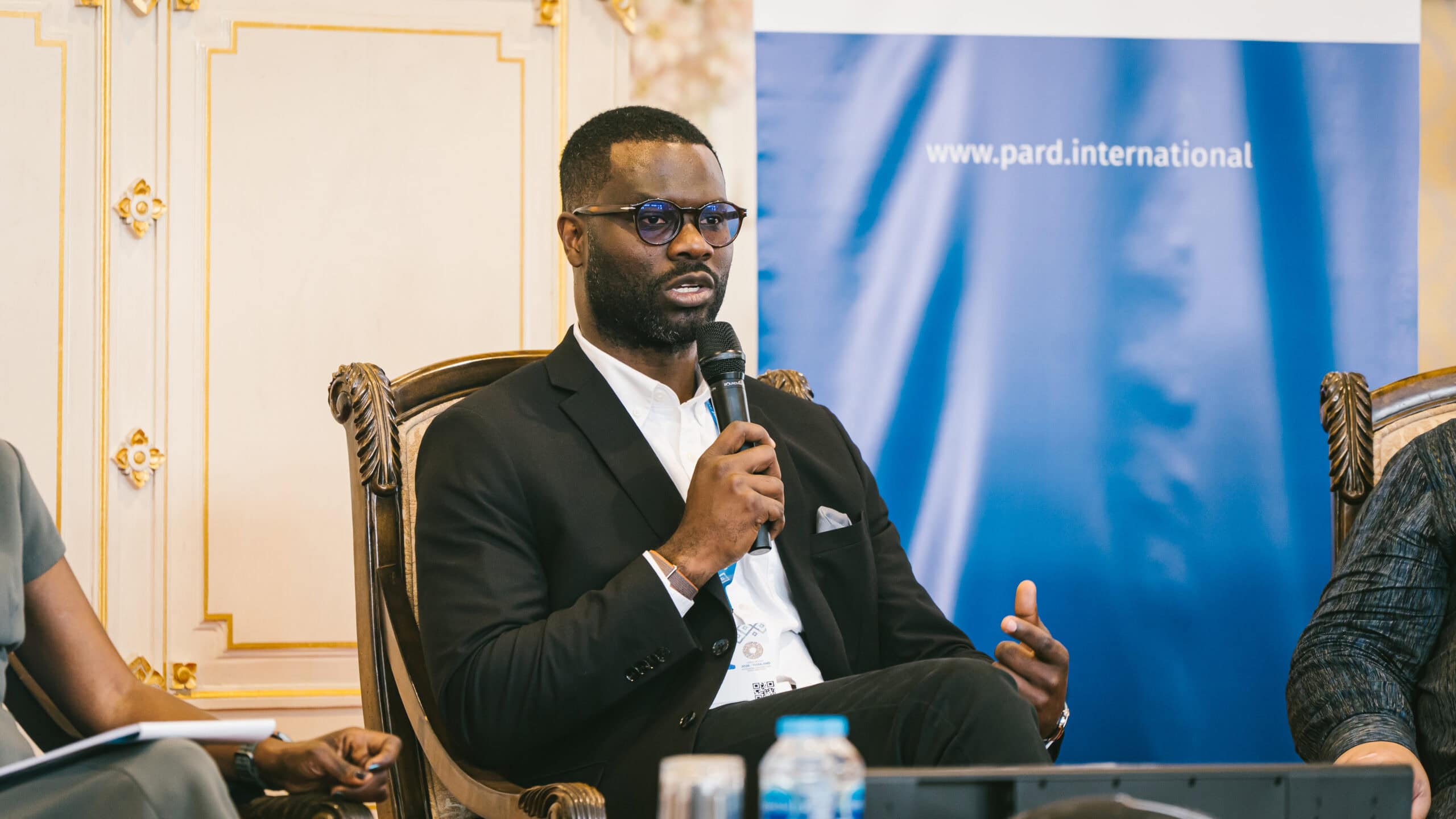
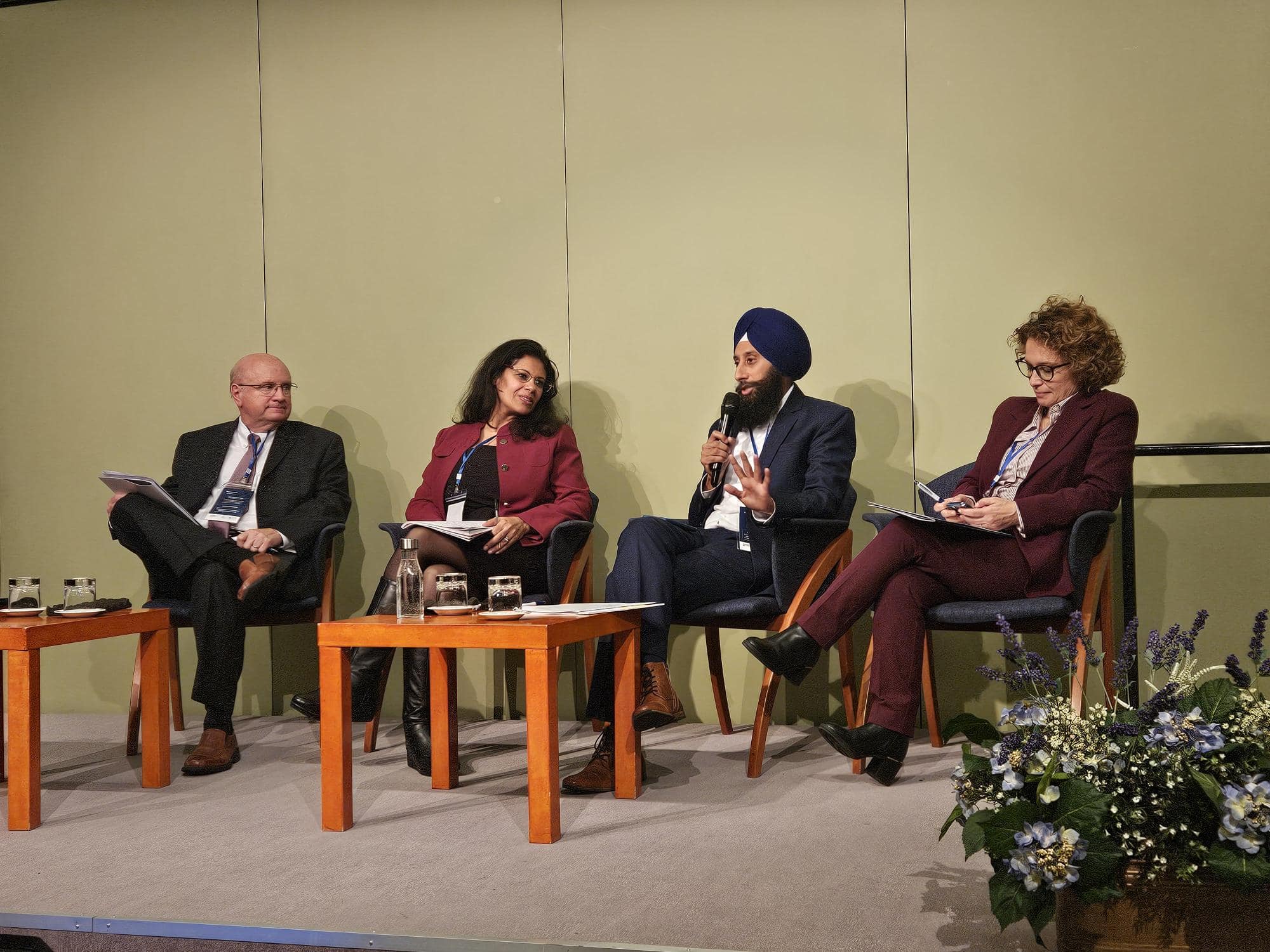
Khushwant Singh’s talk on faith-based development in practice at a workshop during “Bridging Worlds: Religion, Development, and the Future of Global Partnerships”, Castel Gandolfo, 10-11 November 2026. The conference was organised by the Atlantic Council, the Ansari Institute for Global Engagement with Religion at the University of Notre Dame, the Focolare, and Georgetown University’s Berkley Center for Religion, Peace, and World Affairs.
Dear Excellencies, dear colleagues, buongiorno.
Thank you very much for the opportunity to speak here at Castel Gandolfo in Italy, one of my favourite countries. I would like to express my sincere gratitude to the Atlantic Council, the Ansari Institute for Global Engagement with Religion at the University of Notre Dame, the Focolare, and Georgetown University’s Berkley Center for Religion, Peace, and World Affairs for organising this inspiring conference, Bridging Worlds: Religion, Development and the Future of Global Partnerships.
I know this is a difficult slot, coming at the end of the last panel after a full day of interesting discussions. So let us start with a short film we recently produced, capturing some impressions of PaRD’s General Assembly of Members and Annual Forum in Bangkok.
Watch the short film: PaRD Annual Forum 2026
Indeed, this film captures the atmosphere of our gatherings rather nicely.
Now, I would like to invite you to pause for a moment. To hold on to what we have just seen and let a few words sink in.
Each of the following lines carries a particular depth. They were written around 2,500 years ago. Let us simply listen to them and allow their meaning to resonate with us.
Do you think you can take over the universe and improve it?
The universe is sacred.
You cannot improve it.
If you try to change it, you will ruin it.
If you try to hold it, you will lose it.
– Laozi, Dao De Jing
These words offer an interesting starting point for thinking about development. What does it mean to improve the world? And what happens when we approach development with the assumption that everything can be managed, controlled and changed according to our own ideas?
Before I turn to PaRD, our Partnership on Religion and Sustainable Development, I would like to say a few words about myself, as our moderator, Professor Scott Appleby, has kindly asked us panellists to do.
I was born in Panjab, in northern India, and came to Germany as a child. Like many of us, I went through a rather linear, education-driven journey. It took me more than 25 years to gradually reorient myself towards a more cyclical and wisdom-oriented worldview. I would describe this process as mental decolonisation.
When I explain my current role as Head of the PaRD Secretariat to friends, they sometimes struggle to understand what exactly we do. But after watching the film you have just seen, a friend from London said: “You have the best job in the world.” And indeed, PaRD is a fascinating partnership.
PaRD: Bridging religious and secular worlds
Around eight in ten people worldwide affiliate with a religion. Religious actors are therefore essential civil society partners in achieving the 2030 Agenda. PaRD was founded in 2016 to recognise and strengthen this potential. The German Federal Ministry for Economic Cooperation and Development, BMZ, was a key driver in establishing the partnership. Its origins lie in a German strategy recognising religious actors as development partners, and in a GIZ programme on religion and sustainable development, commissioned by BMZ, which hosts the current PaRD Secretariat.
Other governments joined PaRD, and the World Bank was among its key initial partners. Members also contributed through co-financing, including USAID, as well as substantial in-kind contributions. I would like to express our gratitude to the German Federal Ministry for Economic Cooperation and Development (BMZ), as well as to all our members and partners, for their continued support over the past ten years. Without this commitment and the commissioning of GIZ, this partnership and its Secretariat would not have developed in the way they have.
Today, PaRD brings together around 140 members: government entities, multilateral organisations, academic institutions, religious and other secular civil society actors. Our ambition is to bring these different worlds together, working on an equal footing and with a long-term perspective to make concrete contributions to the 2030 Agenda.
Our goal is twofold: to make the contributions of religious actors visible, and to create spaces for dialogue and collaboration where religious and secular perspectives can meet without losing their own legitimacy. Our members contribute to the Sustainable Development Goals through practical work across different workstreams, including health, environmental protection, peace, gender and food security.
Our value basis: Integral holistic flourishing
What is the underlying understanding of development that brings us together?
I would describe it as integral holistic flourishing. There is an interesting connection to my own spiritual tradition. As our colleague from India mentioned earlier, there is the word Vikas, which we often hear in the context of development. But there is another word that we rarely hear about: Vigas, which also appears in Gurbani, the spiritual wisdom at the heart of Sikhi. It describes a state of inner flourishing, wisdom and bliss rooted in holistic development, where the individual grows and realises their potential for the well-being of everyone, including nature. This kind of timeless wisdom reminds us that development cannot be reduced to material progress or economic growth. The present experts discussed this very important subject in the session “Beyond GDP” this morning.
Our PaRD workstreams reflect this broader understanding. They cover people’s well-being, including the mental health of young people, as well as the protection of nature and the environment. Religious actors contribute to these areas in many ways. But their role goes beyond service delivery. They bring values, trust, ethical reflection and a holistic understanding of life. There is another key dimension: freedom of religion or belief, FoRB. We understand it as a cross-cutting issue throughout our partnership and, above all, as a precondition for religious actors to contribute in the first place.
From belief to action
Let me share a few examples of what PaRD members and partners have achieved.
In Zambia, health workers and religious leaders work together to educate young people about HIV, teenage pregnancy and gender-based violence. More than 56,000 people have been reached, and the University of Zambia has integrated the approach into its curricula.
In Nigeria, more than 330 religious and traditional leaders were mobilised to address gender-based violence. Their engagement contributed to the adoption of three community by-laws.
In southern Thailand, in Pattani, Buddhist monks have been trained as mental health supporters and human rights defenders in the context of a conflict that has lasted for more than two decades.
In Pakistan, 150 participants received training in faith-based advocacy and interfaith dialogue. The Minister of State for Religious Affairs and Interfaith Harmony committed to establishing 20 new peace committees.
During COVID-19, religious minorities opened treatment centres and delivered oxygen and food relief. They also provided spiritual care online and sought to counter fake news and conspiracy theories that fuelled vaccine hesitancy, drawing on divine scriptures.
And at COP28, together with the Faith for Earth Coalition of UNEP, the Muslim Council of Elders and other partners, we at the PaRD Secretariat helped organise the first-ever Faith Pavilion. It hosted more than 65 sessions, with over 300 speakers from 55 countries. An interfaith statement was signed by Pope Francis and the Grand Imam of Al-Azhar, alongside a joint call for action.
These are just a few examples. They show how religious values, knowledge, networks and resources translate into practical contributions to people’s lives and to sustainable development. You can find many more examples in our recently published brochure, Religion in Global Affairs.
Ten years of PaRD: What have we learned?
Looking back at ten years of PaRD, I would like to share just a few selected reflections. I have also discussed some of these in my 2025 article in Religion and Development, published by Brill.
First, structural anchoring matters. Germany is one of the very few countries, possibly the only one, with a dedicated officer and department for religion and development, alongside a religion and development programme at GIZ, to which the PaRD Secretariat is currently attached. There is a clear advantage to this kind of institutional anchoring: continuity beyond individuals. Governments change, staff rotate and political priorities shift. Without a structural anchor, political backing and funding can quickly become uncertain. But there is also a disadvantage: dependence on the priorities and core funding of one government.
Second, multi-stakeholder partnerships can make a difference through coordination, quality assurance and inclusiveness. Initiatives like PaRD bring together the perspectives of very diverse actors and help improve coordination between secular and religious actors, who are sometimes hesitant to approach one another. Our current Steering Board exemplifies this vividly. It brings together government entities, multilateral organisations, academic institutions and civil society actors. Religious actors hold the majority of seats. PaRD provides a space where members can engage with one another, access consolidated and quality-checked information through the Secretariat, identify new partners, co-create initiatives, find ways for scaling-up and showcase their work at a global level. One recent example is the Global Alliance against Hunger and Poverty, where PaRD is one of the few actors with a religious constituency.
Third, we need to address fragmentation. This is an important function. We can avoid duplicating what already exists. We can connect people, knowledge and initiatives that would otherwise remain disconnected. Our field is quite specific and has limited resources. Yet many actors continue to work in silos. Is this really the smartest approach in a world that is changing so rapidly?
Challenges
Official development assistance fell by 23 per cent in 2025, to 174.3 billion US dollars. This was the largest drop on record, taking ODA back to 2015 levels. The OECD projects a further decline of nearly 7 per cent in 2026. And only 18 per cent of the Sustainable Development Goal targets are currently projected to be achieved by 2030. We see more and more money going into security-related issues and less into official development assistance (ODA) and civil society, despite the fact that we will not even come close to achieving the SDGs. Several government members have become inactive or left PaRD. Departments were restructured, responsible officers were moved and not replaced, and religion gradually fell off the table. In Germany, the expert exchange on religion and development was dissolved, and the Foreign Office no longer has a dedicated unit on religion. And PaRD’s core funding will come to an end next year. These developments make one thing very clear: priorities change, and institutional commitments are not permanent. This is why diversifying funding has become more important than ever. We need to explore private capital, support from foundations and other funding sources.
But funding is only part of the challenge. We also face a loss of expertise. Highly qualified people who have contributed to our field for years, sometimes decades, are no longer working for their organisations because of budget cuts. And there are actors in the field who do not see collaboration as a priority. Resources remain fragmented, and there is little willingness to pool them, including in areas such as faith-inspired giving and investment. We frequently speak about the importance of working together, and say that states need to work more closely with one another and with key stakeholders. But where is the willingness among us to share resources and responsibility?
PaRD has actually demonstrated that organisations can maintain their own identities while contributing to something greater.
PaRD’s transformation in a changing world
So, where does this leave PaRD? We have reached a point where transformation is no longer simply an option. If PaRD wants to remain relevant in a changed world, it needs to adapt. The necessary reorientation also means rethinking our relationships with government entities. From 2027 onwards, PaRD’s funding structure will change, and we are working towards establishing PaRD as an independent international non-governmental organisation. Whether this works out depends on the ownership that members and partners take. We are now starting with a new Transition Steering Board. It will draw on the expertise of our members, sharpen PaRD’s unique value proposition and guide the transformation process. There are many challenges ahead. There is no secured budget yet, and the loss of institutional expertise is a real concern.
But lamentation will not get us anywhere. We need new approaches, new forms of collaboration and an openness to working with new tools and partners.
Looking ahead: Faith financing and artificial intelligence
Two areas in which we are already exploring new approaches are faith financing and artificial intelligence.
Faith-inspired giving amounts to approximately one trillion US dollars every year. These are not established figures, but very rough estimates. Regardless of the exact amount, this is an enormous resource. Yet much of it remains disconnected from development cooperation, at a time when official development funding is shrinking. The question is how we can better understand and connect these resources. How can we connect faith-inspired resources with development finance without instrumentalising religious actors? Can blended or catalytic finance help relevant projects with their implementation? And how do we respect the independence, priorities and values of the partners involved without instrumentalising them? The central question is not simply about scale and how much capital we can mobilise. It is how finance, local knowledge and equitable partnerships can deliver lasting benefits for people’s well-being and enable a life in dignity.
At our Annual Forum in Bangkok in October 2026, we explored these questions together with the World Bank Group under the theme “Faith Matters! in Development Financing”. I am very grateful to Ambassador Roy Rahmani, Director for Global Engagement, who spoke that morning, for collaborating with us on this subject.
The second area is artificial intelligence. One concern I had when USAID was dissolved was that ten years of knowledge and experience accumulated by our members and partners could simply disappear if PaRD were to close. That is why I initiated the development of our RelBot, an AI chatbot on religion in global affairs and sustainable development. The aim is to preserve, connect and make accessible the knowledge accumulated by members and partners over the past decade. Of course, we need to be realistic about its limitations. Data protection, the quality of evidence and information gaps are important concerns. And AI cannot replace human judgement, relationships or context. For us, it is an additional tool, not a substitute for human expertise and interaction.
Let me conclude: Partnerships like PaRD are needed more than ever, precisely because the world is becoming more fragmented and the ability to cooperate is diminishing. Yet these partnerships themselves face massive funding challenges. The 2024 Pact for the Future recognises the need for stronger partnerships across society, including with faith-based organisations. Alliances like PaRD have an important role to play in shaping the agenda beyond 2030, particularly when it comes to a more holistic understanding of human well-being and development beyond GDP, moving beyond a narrow and materialistic understanding of progress towards a concept of holistic flourishing. No single government, institution or sector can achieve this alone.
This brings me to the end, and I would like to leave you with two questions that we can also explore bilaterally. Germany’s BMZ-commissioned GIZ sector programme on religion and sustainable development will continue, for which we are very grateful. Imagine you had complete freedom to shape its agenda. Which topics would you prioritise? And with whom would you want to work, and towards what end? I would be genuinely interested in your perspectives, and we can discuss this also later on in person.
Creating, yet not possessing
Life is a continuous circle. So let me return to where I began: Laozi and the Dao De Jing.
Therefore the sage goes about doing nothing,
teaching without talking.
The myriad things rise and fall without cease.
Creating, yet not possessing.
Working, yet not taking credit.
Work is done, then forgotten.
Therefore it lasts forever.
Thank you very much!